Pope Saint Callixtus I
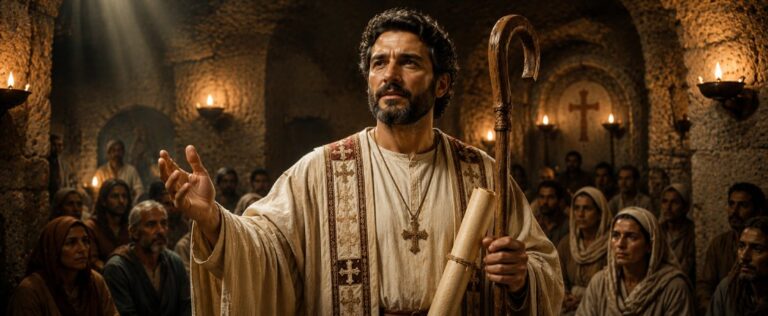
Among the early successors of Saint Peter, few popes embodied the tension between justice and mercy as profoundly as Saint Callixtus I. Serving during one of Christianity’s most fragile periods, he guided the Church through theological conflict, internal division, and the ever-present threat of Roman persecution. Though controversial in his own time, history remembers him as a pope who defended the healing power of repentance and the mercy of Christ.
Saint Callixtus I remains deeply important to Catholics today because his papacy revealed a timeless truth: the Church is not only a community of saints, but also a refuge for sinners seeking conversion. His leadership helped shape the pastoral heart of Catholicism, especially regarding forgiveness, reconciliation, and the sacramental life of the Church.
Early Life and Background
Historical records concerning the early life of Saint Callixtus I are limited and at times disputed. Most ancient sources suggest he was born during the late second century within the Roman Empire, likely connected to Rome itself. Early Christian writers describe him as coming from humble circumstances.
Before becoming pope, Callixtus reportedly served in a household connected to Roman Christians. Ancient accounts, especially from his critic Hippolytus, claim that Callixtus endured imprisonment and forced labor after financial difficulties connected to Christian funds. While some details remain debated among historians, it is clear that he experienced hardship, suffering, and humiliation long before ascending to the papacy.
These trials likely shaped his pastoral heart. Unlike stricter Church leaders of his era, Callixtus understood human weakness personally. His experiences appear to have deepened his belief that repentance and reconciliation should remain available even to grave sinners.
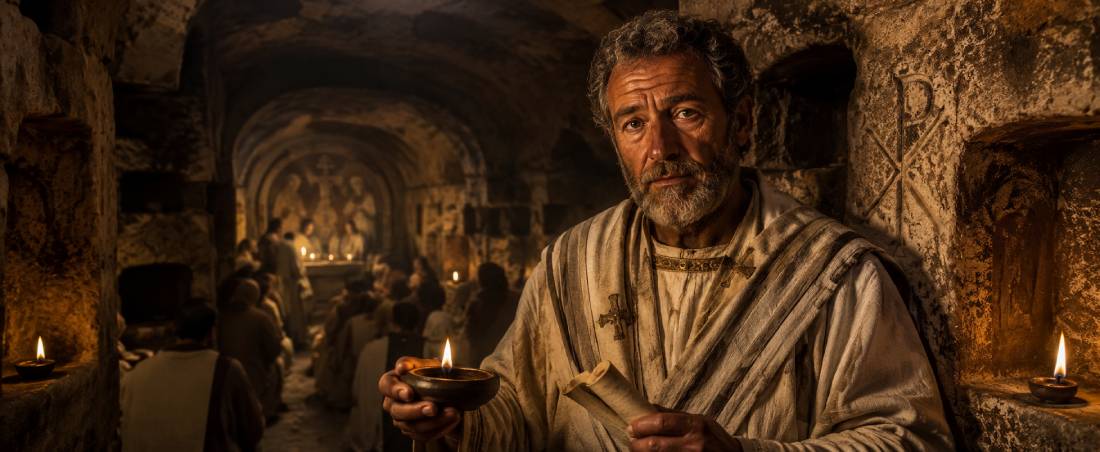
Under Pope Zephyrinus, Callixtus became an influential deacon and trusted adviser. He was entrusted with oversight of one of the Church’s most important burial sites, now known as the Catacombs of Saint Callixtus. These catacombs became a sacred resting place for martyrs, bishops, and early Christians and remain one of the most significant archaeological witnesses to the life of the ancient Church.
Election to the Papacy
Saint Callixtus I was elected Bishop of Rome in 217 AD following the death of Pope Zephyrinus. His election occurred during a difficult and divided moment in Church history.
The Christian community in Rome faced mounting theological disputes concerning penance, forgiveness, and Church discipline. Some groups believed Christians guilty of serious sins after baptism should be permanently excluded from communion. Others argued that the Church, following the example of Christ, must always offer a path to repentance and restoration.
Callixtus strongly supported the latter position.
His election was controversial from the beginning. The priest Hippolytus fiercely opposed him, accusing him of excessive leniency and doctrinal compromise. This conflict eventually led Hippolytus to become one of the Church’s earliest antipopes, creating a painful schism within the Christian community.
At the same time, Roman political conditions remained unstable. Christians still lived under suspicion and periodic persecution. The pope needed not only theological wisdom, but courage, diplomacy, and pastoral sensitivity.
Despite opposition, Callixtus emerged as a leader determined to preserve both truth and mercy within the Church.
Papacy and Leadership
Defender of Mercy and Reconciliation
The papacy of Saint Callixtus I became especially known for its pastoral approach toward sinners seeking reconciliation.
He taught that no sin placed a repentant believer beyond the mercy of God. Christians guilty of grave sins, including adultery and apostasy, could be restored after sincere penance. This teaching outraged rigorist factions, but Callixtus believed the Church must reflect the compassion of Christ Himself.
His policies helped establish an enduring Catholic understanding of sacramental reconciliation and ecclesial forgiveness.
Administrative Leadership
Callixtus also strengthened the organization of the Roman Church during a formative era. His administration of Christian cemeteries demonstrated careful stewardship and reverence for martyrs and the faithful departed.
The Catacombs of Saint Callixtus became one of the principal burial grounds for the Church of Rome. Several early popes and martyrs were buried there, making it a central place of Christian memory and devotion.
Theological Controversies
One of the major debates during his pontificate involved the mystery of the Holy Trinity and the relationship between the Father and the Son. Early theological language was still developing, and accusations of doctrinal error were common.
Callixtus attempted to preserve unity while avoiding extremes. His opponents criticized him sharply, yet later Catholic tradition generally viewed his leadership as orthodox and faithful to apostolic teaching.
Pastoral Care for Ordinary Christians
Unlike some Church leaders who emphasized strict exclusion, Callixtus focused on healing wounded souls. He understood that the Church existed not only to guard doctrine but also to guide sinners toward holiness.
His leadership reflected the image of the Good Shepherd — firm in faith, yet compassionate toward the fallen.
Prayer Life and Spirituality
The spirituality of Saint Callixtus I was deeply rooted in the mercy of Christ and the sacramental life of the Church. Although no personal writings from him survive, his pastoral decisions reveal a man profoundly shaped by prayer, suffering, and confidence in divine forgiveness.
His life demonstrated a spirituality centered on reconciliation. He believed that grace could transform even those burdened by serious sin. This conviction reflected the Gospel itself and the example of Christ forgiving sinners throughout His earthly ministry.
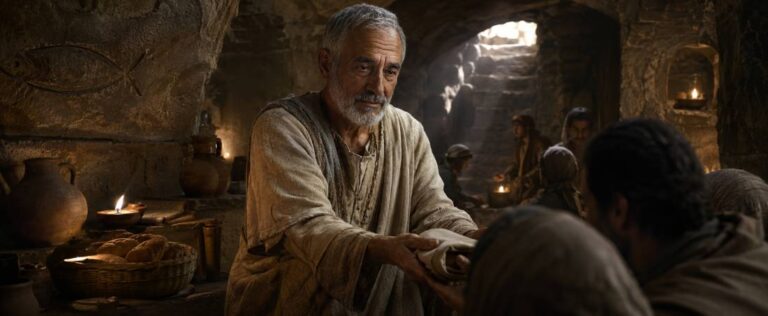
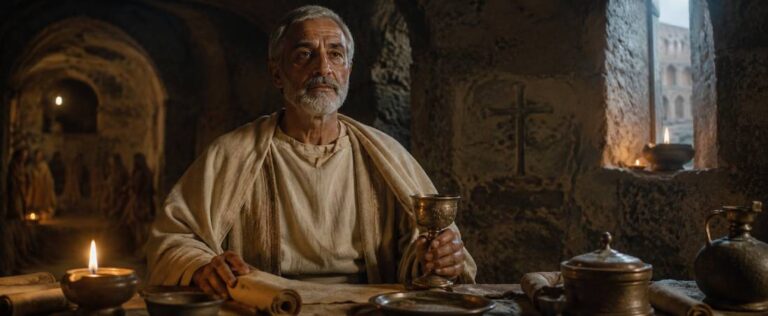
As pope during the age of persecution, Callixtus likely celebrated the Eucharist in hidden gatherings within homes and catacombs. The Eucharist remained the heart of Christian life, strengthening believers facing imprisonment, exile, and death.
His devotion to the communion of saints also appears through his care for Christian burial sites. In the early Church, honoring the martyrs and praying for the dead formed an important expression of faith in the Resurrection.
Saint Callixtus also demonstrated spiritual endurance. Having endured suffering and public criticism, he responded not with bitterness but with continued pastoral care. His example reminds Catholics that holiness is not perfection without struggle, but fidelity through weakness and hardship.
For Catholics today, his witness speaks powerfully about:
- trusting in God’s mercy
- returning to confession after sin
- showing compassion toward others
- preserving unity within the Church
- remaining faithful amid criticism and division
Challenges and Trials
The pontificate of Saint Callixtus I unfolded during one of Christianity’s most unstable periods.
Conflict with Hippolytus
His greatest challenge came from Hippolytus, a respected theologian who strongly opposed Callixtus’ policies concerning repentance and Church discipline. Hippolytus believed the pope’s approach weakened moral standards within Christianity.
The dispute escalated into schism, with Hippolytus becoming an antipope in opposition to Callixtus. This division wounded the unity of the Church and revealed the intense theological tensions of the era.
Accusations and Criticism
Callixtus endured harsh personal attacks from critics who questioned both his theology and his past. Ancient writings portray him as controversial, yet the Church ultimately recognized his faithful leadership and sanctity.
His response to opposition demonstrated patience and perseverance rather than vengeance.
Persecution and Martyrdom
Christians continued to live under threat from Roman authorities during his reign. Tradition holds that Saint Callixtus eventually suffered martyrdom around 222 AD.
Some accounts state he was killed during a local uprising and thrown into a well. Though details vary in historical sources, the Church venerates him as a martyr who remained faithful to Christ until death.
Death and Legacy
Saint Callixtus I died in Rome on October 14, 222 AD. Tradition associates his burial with the Cemetery of Calepodius along the Aurelian Way, though his name remains most strongly connected with the famous Catacombs of Callixtus.
Over time, the Church recognized him as both a saint and martyr. His feast day is celebrated annually on October 14.
The legacy of Saint Callixtus I proved enormously influential in Catholic history. His defense of repentance and reconciliation helped shape the Church’s pastoral mission for centuries to come. He affirmed that the Church must uphold holiness while never closing the door to conversion.
His papacy also highlighted the importance of unity amid disagreement. Even in conflict, he sought to preserve the communion of the Church and the hope of salvation for sinners.
Today, pilgrims visiting Rome continue to walk through the Catacombs of Saint Callixtus, encountering a living witness to the courage, faith, and sacramental life of the early Christians.
Lessons Catholics Can Learn Today
- God’s mercy is greater than human failure
- The Church must balance truth with compassion
- Repentance always opens the path back to Christ
- Unity within the Church requires patience and humility
- Suffering can deepen spiritual maturity
- Christians should never lose hope in conversion
- Faithfulness matters even during criticism and conflict
Conclusion
Saint Callixtus I stands as a powerful witness to the mercy of Christ in the life of the Church. In an age marked by persecution, division, and fear, he chose the difficult path of pastoral compassion without abandoning the truth of the Gospel.
His life reminds Catholics that holiness is not reserved for the flawless, but for those who continually return to God with repentant hearts. Through his courage, leadership, and enduring trust in divine mercy, Saint Callixtus helped shape the Church’s understanding of reconciliation and forgiveness for generations.
As modern Catholics face their own struggles and divisions, the example of Saint Callixtus I invites believers to remain faithful to Christ, devoted to prayer, committed to unity, and confident in the transforming power of God’s mercy.