When civil war and genocide ravaged Central Africa in the 1990s, one Catholic woman saves orphans became more than a headline—it became a living testimony to the power of Christ’s love. Marguerite Barankitse risked everything to rescue tens of thousands of children from certain death, proving that faith-driven action can overcome the darkest evil.
Her story reminds us that pro-life values extend far beyond policy debates. They demand sacrificial service, courage under fire, and unwavering trust in God’s providence.
Catholic Woman Saves Orphans Through Radical Faith
Marguerite Barankitse lived an ordinary life as a devout Catholic in Burundi until October 1993. Ethnic violence erupted around her, leaving corpses in the streets and orphaned children wandering among the dead. Most people fled to safety. Marguerite ran toward the danger.
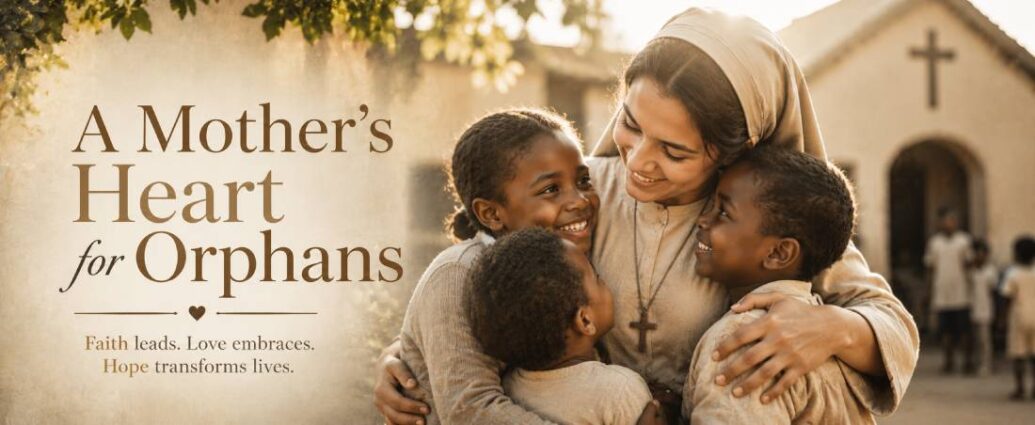
She gathered seven traumatized children into her home that first night. Within weeks, she had rescued dozens more. Her modest house transformed into a sanctuary where love proved stronger than hatred. “I am not a hero,” she later said. “God simply asked me to open my arms.”
Over the following decades, Marguerite’s Maison Shalom (House of Peace) would save more than 30,000 orphans. She provided food, shelter, medical care, education, and most importantly, the love of Christ to children whom society had abandoned.
Christian Humanitarian Work Born From Tragedy
The Burundian Civil War and Rwandan genocide created an unprecedented humanitarian crisis. Ethnic militias slaughtered families and left children to starve. Armed groups targeted anyone who showed mercy to “enemy” children. Marguerite faced death threats constantly. Soldiers pointed guns at her head. Local authorities demanded she stop her work.
She refused every threat with the same response: “Love is stronger than death.”
Her Christian humanitarian work expanded beyond basic survival. Maison Shalom built schools, hospitals, and vocational training centers. Children learned trades, received psychological counseling, and discovered their identity in Christ. Marguerite ensured every child knew they were created in God’s image with infinite worth.
She personally adopted many children as her own. Her biological family grew to include former child soldiers, rape survivors, and children scarred by unimaginable trauma. Each one found healing through unconditional love rooted in biblical truth.
Pro-Life Advocacy in Its Most Powerful Form
Many Americans associate pro-life advocacy primarily with ending abortion. Marguerite Barankitse demonstrates that defending life means embracing every child, regardless of circumstance. She saved children born from rape, children with disabilities, and children rejected by their own relatives.
Her work embodied the consistent life ethic. She opposed abortion, euthanasia, and the violence that created orphans in the first place. “You cannot say you love God and then kill His children,” she declared repeatedly to armed factions on both sides of the conflict.
Scripture calls believers to care for widows and orphans (James 1:27). Marguerite took this command literally, even when it meant sleeping on floors so children could have beds. Even when it meant going hungry so children could eat. Even when it meant facing armed killers who wanted those children dead.
This is pro-life Christianity in its purest form—not theoretical debates but tangible, costly love that mirrors Christ’s sacrifice.
A Catholic Peace Mission That Changed a Nation
A Catholic Peace Mission That Changed a Nation
Marguerite’s Catholic peace mission eventually earned international recognition. She received numerous humanitarian awards and spoke before the United Nations. World leaders praised her courage. Yet she never sought fame or recognition.
“I am simply doing what Jesus commanded,” she explained. “He said to feed the hungry and care for the least of these. These children are the least of these.”
Her organization grew to include peace education programs that taught former enemies to live together. Children from opposing ethnic groups learned, played, and prayed side by side at Maison Shalom. Forgiveness replaced revenge. Hope displaced despair.
Tragically, political opposition eventually forced Marguerite into exile in 2015. Authorities falsely accused her of various crimes. She fled to Rwanda, where she continues her mission today, still rescuing orphans and proclaiming Christ’s love.
Her legacy endures in the thousands of lives she saved—doctors, teachers, pastors, and parents who now serve their communities because one woman believed love conquers hate.
Marguerite Barankitse proves that faith without works is dead (James 2:17). Her example challenges every Christian to move beyond comfortable prayers and engage the brokenness around us. We may not face genocide, but we can still choose sacrificial love over self-preservation.
Source: CNA
📖 You Might Also Like