Pope Saint Eleutherius
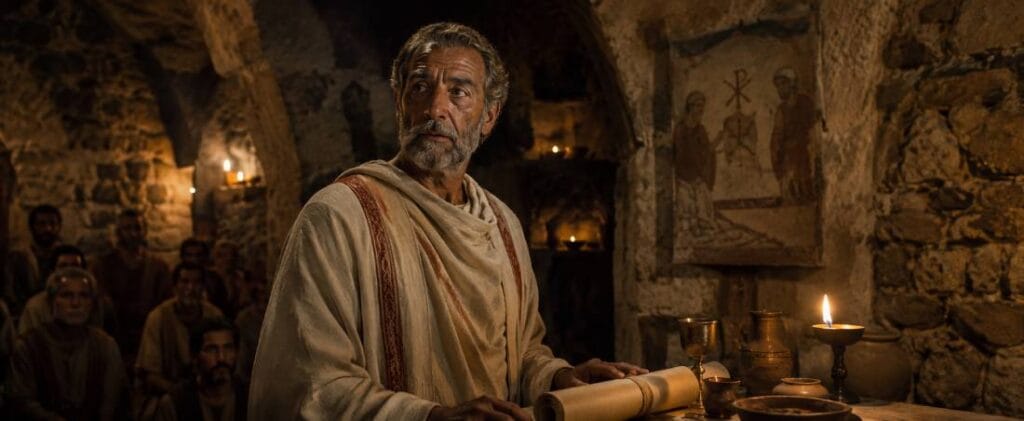
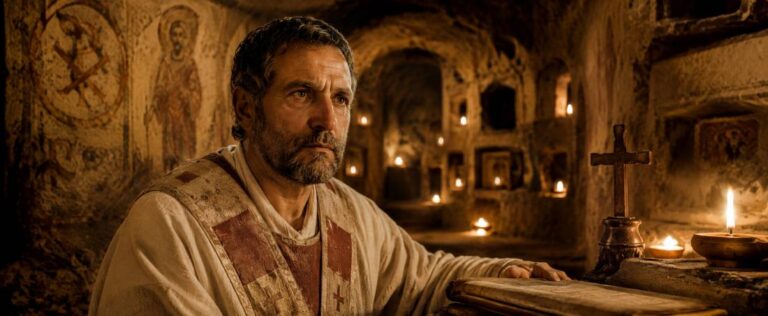
Saint Eleutherius stands among the courageous shepherds of the early Catholic Church who guided Christians through uncertainty, persecution, and spiritual trials. Serving as Pope during the second century, he helped preserve unity in a fragile and rapidly growing Church while defending the faith handed down from the Apostles.
Although historical records about his life remain limited due to the era in which he lived, Saint Eleutherius continues to inspire Catholics through his steadfast leadership, pastoral charity, and devotion to Christ. His papacy unfolded during a time when Christians often faced hostility from Roman authorities, yet he remained faithful in protecting the spiritual life of the Church.
For modern Catholics, Saint Eleutherius represents calm leadership during confusion, courage during adversity, and unwavering fidelity to the Gospel.
Early Life and Background
Much about the early life of Saint Eleutherius remains historically uncertain, which is common for many second-century popes. Ancient sources indicate that he was born in Nicopolis in Epirus, a region connected to Roman Greece. He was believed to have been of Greek origin and likely received a strong formation in Christian teaching and apostolic tradition.
Before becoming Pope, Eleutherius reportedly served the Church in Rome under earlier popes, including Pope Anicetus. The Christian community of Rome during this period was still relatively small but rapidly expanding. The Church depended heavily on oral apostolic teaching, faithful bishops, and courageous clergy willing to risk persecution.
As a priest and Church leader, Eleutherius developed a reputation for wisdom, moderation, and pastoral care. His spiritual formation was shaped by the hardships of the early Church, where fidelity to Christ often required sacrifice, secrecy, and endurance.
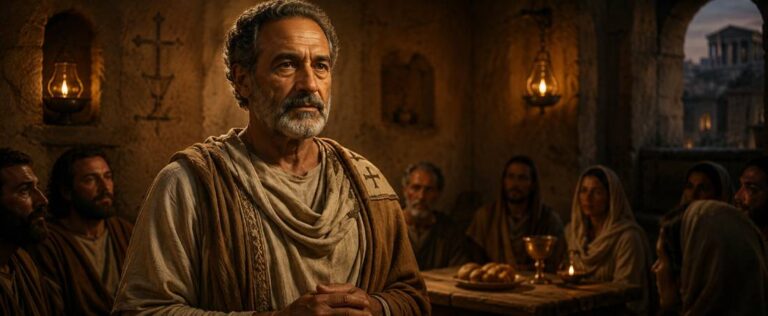
The simplicity and humility of early Christian life deeply influenced him. Christians gathered quietly for prayer, the Eucharist, and support of one another in a hostile pagan society. These experiences helped prepare Eleutherius for the immense responsibility of leading the universal Church.
Election to the Papacy
Saint Eleutherius became Pope around the year 175 AD following the death of Pope Saint Soter. The Church at this time faced both external persecution and internal theological tensions.
The Roman Empire viewed Christianity with suspicion because Christians refused to worship Roman gods or recognize the emperor as divine. Although persecutions varied by region, believers frequently lived under the threat of imprisonment, confiscation of property, or death.
At the same time, the Church was confronting emerging heresies and divisions. Various groups attempted to distort apostolic teaching, while debates arose concerning repentance, Church discipline, and prophetic movements.
Eleutherius was likely chosen because of his balanced judgment, loyalty to apostolic doctrine, and pastoral temperament. Early Christians needed a leader capable of preserving unity without abandoning truth. His election reflected the Church’s desire for stability and spiritual wisdom during dangerous times.
Papacy and Leadership
Defending Church Unity
One of the defining characteristics of Saint Eleutherius’ papacy was his commitment to preserving unity within the Church. Christianity was spreading across the Roman Empire, and maintaining doctrinal consistency became increasingly difficult.
Eleutherius worked to ensure that local Christian communities remained connected to the apostolic faith taught in Rome and safeguarded by the bishops.
Response to Heresies
During his reign, the Church encountered movements that threatened orthodox Christian teaching. Among these was Montanism, a movement emphasizing ecstatic prophecy and extreme rigorism.
Historical tradition suggests that Eleutherius initially approached the issue cautiously and pastorally. Rather than reacting impulsively, he sought discernment and guidance before responding. Eventually, the movement was regarded as incompatible with authentic Catholic teaching because of its excesses and challenges to Church authority.
His measured response demonstrated prudence and concern for preserving both truth and charity.
Pastoral Leadership
Saint Eleutherius is remembered as a compassionate pastor who emphasized reconciliation and mercy. Some ancient traditions associate him with encouraging the acceptance of repentant sinners back into communion with the Church.
In an age when Christians often endured severe hardships, maintaining hope and unity was essential. Eleutherius understood that the Church must remain both holy and merciful.
Growth of Christianity
Despite persecution, Christianity continued spreading throughout the empire during his pontificate. Christian communities expanded into new regions, and the authority of the Bishop of Rome gradually became more influential.
Eleutherius helped strengthen the stability of the Church during this formative era. His leadership contributed to preserving apostolic continuity that would shape Catholicism for centuries.
Prayer Life and Spirituality
The spirituality of Saint Eleutherius was deeply rooted in the sacramental and communal life of the early Church. Christians of his era lived with constant awareness that faithfulness to Christ could demand suffering or even death.
Prayer was not merely devotional for early Christians—it was their source of strength, identity, and courage.
Saint Eleutherius likely participated daily in the Eucharistic celebrations that formed the center of Christian life. The Eucharist united believers with Christ and strengthened them amid persecution. His devotion to the sacred mysteries helped guide the Church spiritually during difficult years.
His spirituality also reflected humility and vigilance. Unlike later eras of grandeur, early popes lived modestly and often discreetly due to the dangers facing Christians in Rome. Eleutherius would have spent much of his life in prayer, pastoral counsel, fasting, and the teaching of apostolic doctrine.
Tradition portrays him as a shepherd deeply concerned for the salvation of souls. His approach to Church discipline balanced truth with mercy, revealing a spiritual heart shaped by Christ’s compassion.
For Catholics today, Saint Eleutherius offers an important witness:
- Faithfulness during uncertainty
- Patience during conflict
- Courage during hostility
- Mercy toward repentant sinners
- Trust in the guidance of the Holy Spirit
His example reminds believers that holiness is often forged quietly through perseverance, prayer, and fidelity to Christ.
Challenges and Trials
Saint Eleutherius governed the Church during a difficult and unstable period.
Roman Suspicion and Persecution
Christians remained vulnerable to persecution because Roman authorities often misunderstood Christian worship and practices. Refusing pagan sacrifices was viewed as disloyalty to the empire.
Although there is no definitive evidence that Eleutherius himself was martyred, he led the Church while many Christians suffered for their faith.
Heresies and False Teachings
The spread of false doctrines threatened Church unity. Movements like Montanism introduced confusion regarding prophecy, authority, and Church discipline.
Eleutherius responded carefully, seeking to preserve apostolic truth without causing unnecessary division.
Preserving Unity
Communication across the vast Roman Empire was difficult. Different Christian communities faced unique cultural and theological challenges. Maintaining doctrinal consistency required patience, wisdom, and strong leadership.
Saint Eleutherius recognized that the Church could survive persecution only if believers remained united in faith and charity.
Death and Legacy
Saint Eleutherius died around the year 189 AD in Rome after serving the Church for approximately fifteen years.
He was buried near the tombs associated with early Christian leaders, and his memory was preserved among the sainted popes of the early Church. While ancient traditions sometimes described him as a martyr, modern historical scholarship generally does not classify him as one.
His greatest legacy was the stability he provided during a formative era of Christianity. He defended unity, preserved apostolic teaching, and helped the Church navigate theological confusion with prudence and pastoral sensitivity.
Future generations of popes inherited a Church strengthened by the quiet endurance of leaders like Eleutherius. His example demonstrates that faithful leadership is not always marked by dramatic events, but often by steady courage and unwavering devotion to Christ.
Today, Catholics honor Saint Eleutherius as one of the early guardians of the Church whose faithful service helped preserve Christianity during dangerous times.
Lessons Catholics Can Learn Today
- Remain faithful to Christ even during cultural hostility
- Defend truth while practicing charity and mercy
- Stay rooted in prayer and the Eucharist
- Trust the Holy Spirit during confusion and division
- Preserve unity within the Church
- Practice patience and wisdom before making judgments
- Lead with humility rather than pride
- Persevere quietly in daily holiness
Conclusion
Saint Eleutherius may not be among the most widely known popes in Catholic history, but his faithful witness remains deeply important. During an era of persecution, doctrinal confusion, and uncertainty, he guided the Church with courage, prudence, and spiritual wisdom.
His life reminds Catholics that holiness is often found not in fame or worldly power, but in steadfast service to Christ and His Church. Through prayer, mercy, humility, and fidelity to apostolic truth, Saint Eleutherius helped preserve the foundations of Catholic Christianity for future generations.
As Catholics continue facing challenges in the modern world, the example of Saint Eleutherius encourages believers to remain united in faith, devoted to prayer, and confident in the enduring guidance of the Holy Spirit.
Related Popes