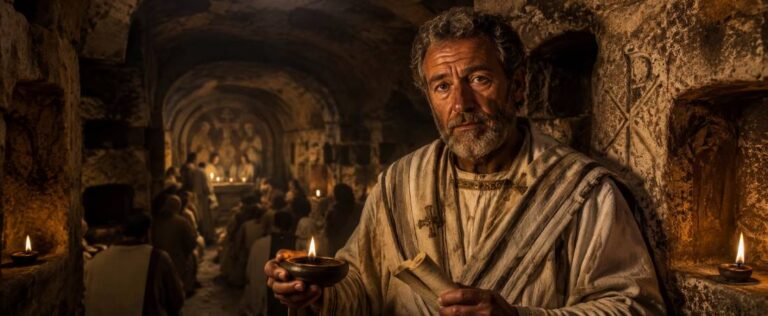
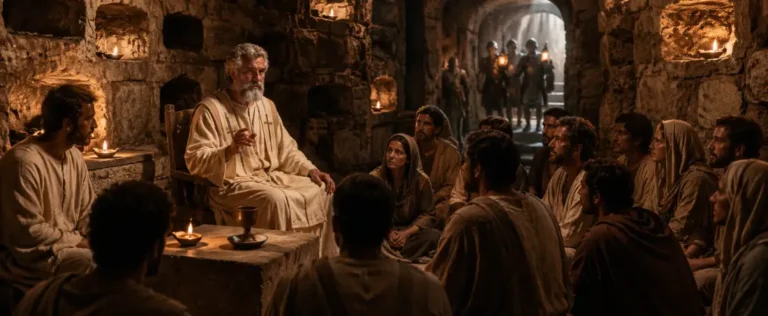
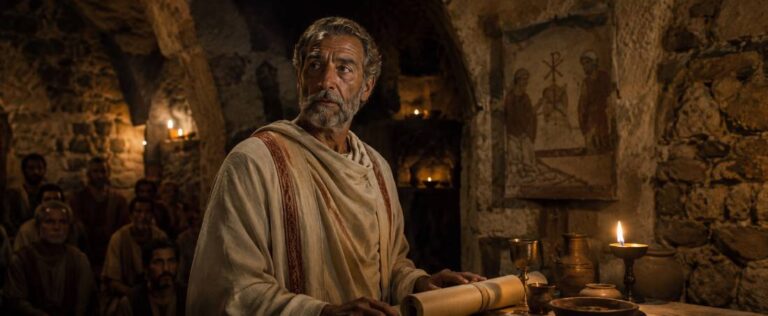
Pope Saint Victor I
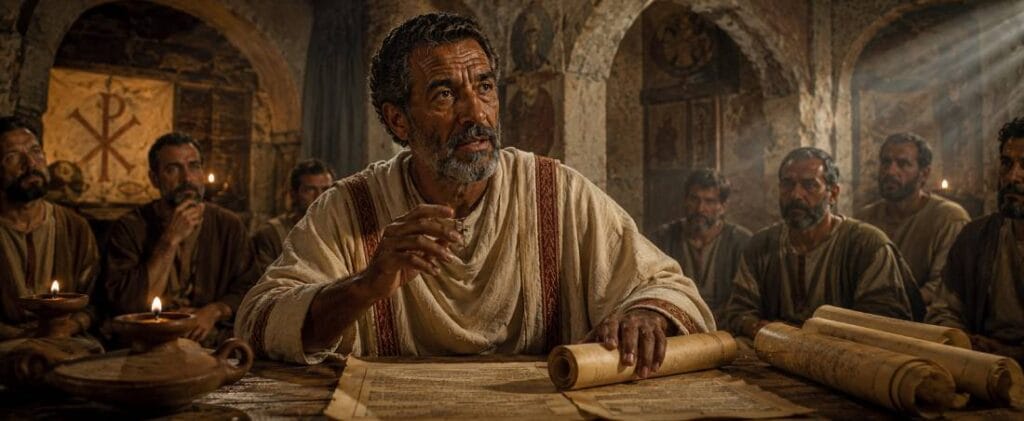
Saint Victor I holds a remarkable place in Catholic history as one of the earliest African popes and a courageous defender of Church unity during the second century. Leading the Church during a fragile and dangerous period, he confronted theological division, protected apostolic tradition, and strengthened the role of the Bishop of Rome in guiding Christians across the empire.
At a time when Christianity remained vulnerable to persecution and internal conflict, Saint Victor I showed bold leadership rooted in conviction and faith. His determination to preserve unity around the celebration of Easter became one of the defining moments of the early papacy.
For Catholics today, Saint Victor I remains an inspiring witness of courage, doctrinal clarity, and pastoral responsibility in times of confusion and division.
Early Life and Background
Historical records about the early life of Saint Victor I are limited, as is common for many early Church leaders. Ancient sources identify him as being from the Roman Province of Africa, making him one of the earliest known African-born popes in Catholic history.
The Roman Province of Africa, centered around modern-day Tunisia and surrounding regions, was already becoming an important center of Christian thought and spiritual vitality. The region would later produce some of Christianity’s greatest theologians and saints, including Saint Augustine of Hippo and Tertullian.
Victor likely grew up in a Christian environment shaped by sacrifice, prayer, and loyalty to apostolic teaching. Christians of this era often worshiped discreetly because open practice of the faith could attract hostility from Roman authorities.
His religious formation would have emphasized:
- Sacred Scripture
- Apostolic tradition
- Eucharistic worship
- Fasting and prayer
- Courage under persecution
Before becoming Pope, Victor probably served the Roman Church as a priest or senior cleric. His wisdom, leadership ability, and doctrinal firmness appear to have earned him widespread respect among the clergy and Christian faithful.
Election to the Papacy
Saint Victor I became Pope around 189 AD following the death of Pope Saint Eleutherius. The Church at this time was growing rapidly throughout the Roman Empire, but growth also brought serious theological and disciplinary challenges.
Christians continued living under varying levels of persecution. While some emperors tolerated Christians temporarily, local authorities and pagan populations often viewed Christianity with suspicion and hostility.
One of the greatest issues facing the Church during Victor’s election concerned the proper celebration of Easter. Different Christian communities followed different traditions:
- Christians in Rome celebrated Easter on Sunday
- Some Eastern churches celebrated it according to the Jewish Passover calendar regardless of the weekday
This disagreement threatened visible Church unity.
Victor was elected during this tense environment because the Church needed a decisive and doctrinally strong leader capable of defending apostolic tradition and preserving unity among believers.
Papacy and Leadership
The Easter Controversy
The defining event of Saint Victor I’s papacy was the Quartodeciman controversy concerning the date of Easter.
Churches in Asia Minor maintained an older custom of celebrating Easter on the 14th day of Nisan, the Jewish Passover date, regardless of the day of the week. Rome and many other Christian communities celebrated Easter on Sunday to honor Christ’s Resurrection.
Victor strongly defended the Sunday celebration and sought uniformity throughout the Church.
When several Eastern bishops refused to adopt the Roman practice, Victor attempted to excommunicate those communities. Although some Church leaders, including Saint Irenaeus, urged moderation and reconciliation, Victor’s actions demonstrated the growing authority of the papacy in matters of Church unity and discipline.
Though the dispute was eventually resolved peacefully, Victor’s leadership marked a significant moment in the development of papal authority.
Strengthening Roman Leadership
Saint Victor I helped reinforce the position of the Bishop of Rome as a central authority within Christianity. His willingness to intervene in disputes across distant Christian regions reflected the increasingly universal role of the papacy.
This development would profoundly shape the future structure of the Catholic Church.
Promotion of Latin in the Roman Church
Victor I is traditionally associated with increasing the use of Latin within the Roman Church. Greek had long been the dominant language of Christian liturgy and theology in Rome, but Latin gradually became more prominent during and after his pontificate.
This linguistic transition would later influence Western Christianity for centuries.
Defense Against Heresy
Victor also confronted various theological errors circulating among Christian groups. The Church of the second century faced constant pressure from false teachings that distorted apostolic doctrine.
His papacy emphasized fidelity to orthodox Christian belief and communion with the wider Church.
Prayer Life and Spirituality
The spirituality of Saint Victor I was forged during one of Christianity’s most vulnerable eras. The Church had no political power, no grand cathedrals, and no public protection. Faithfulness demanded courage, discipline, and deep trust in Christ.
Victor’s leadership reveals a man deeply committed to preserving the sacred unity of the Church because he believed unity reflected the will of Christ Himself.
The Eucharist stood at the center of Christian life during his pontificate. Early Christians often gathered quietly in homes or hidden worship spaces to celebrate the sacred mysteries. Victor likely spent countless hours in prayer, liturgical worship, fasting, and pastoral care for suffering believers.
His spirituality reflected:
- Devotion to apostolic tradition
- Reverence for the Resurrection of Christ
- Commitment to Church unity
- Courage in leadership
- Pastoral concern for doctrinal truth
Although little survives from his personal writings, his actions demonstrate a shepherd deeply convinced that authentic Christian faith required unity in worship and doctrine.
Saint Victor I also reminds Catholics today that spiritual leadership sometimes requires difficult decisions. His firmness during controversy reflected his desire to protect the integrity of the Church and preserve communion among believers.
Modern Catholics can admire his example of:
- Defending truth with courage
- Remaining faithful amid division
- Prioritizing the unity of the Church
- Leading with conviction rooted in prayer
Challenges and Trials
Persecution Under Roman Authority
Christians remained vulnerable during Victor’s reign. Although there was no empire-wide persecution specifically directed by the emperor throughout his papacy, Christians regularly faced local hostility, imprisonment, and discrimination.
The Church continued surviving largely through hidden worship and strong communal faith.
The Quartodeciman Dispute
The Easter controversy became Victor’s greatest challenge. The disagreement threatened division between Eastern and Western Christian communities.
Victor believed unity in celebrating the Resurrection was essential for preserving harmony within the universal Church. While some criticized the severity of his response, his actions reflected genuine concern for ecclesial unity.
Doctrinal Threats
False teachings continued spreading throughout Christian communities. Maintaining orthodoxy in an expanding Church with limited communication required vigilance and strong episcopal leadership.
Victor responded by emphasizing communion with Rome and fidelity to apostolic teaching.
Death and Legacy
Saint Victor I died around 199 AD in Rome after serving as Pope for approximately a decade.
Although earlier traditions sometimes referred to him as a martyr, modern scholarship generally does not classify him as one because no reliable historical evidence confirms martyrdom.
He was honored as a saint by the early Church due to his courageous leadership, defense of orthodoxy, and commitment to unity.
Victor’s papacy left a profound mark on Catholic history:
- He strengthened the authority of the papacy
- He defended universal Church unity
- He influenced the development of liturgical practice
- He became one of the earliest African leaders to shape global Christianity
His witness also highlights the universal nature of the Catholic Church from its earliest centuries. The Church was already bringing together believers from many nations, cultures, and backgrounds under one faith in Christ.
Lessons Catholics Can Learn Today
- Protect unity within the Church while remaining faithful to truth
- Stay rooted in apostolic teaching
- Approach conflict with courage and prayer
- Defend the sacredness of Christian worship
- Remain steadfast during cultural hostility
- Value the universality of the Catholic Church
- Lead with conviction guided by faith
- Preserve communion even during disagreement
Conclusion
Saint Victor I stands as a courageous and historically significant Pope who guided the Church through one of its earliest major controversies. His leadership helped shape the future understanding of papal authority, Church unity, and fidelity to apostolic tradition.
As one of the first African popes, his life also reflects the global and universal mission of the Catholic Church from the very beginning. Though he governed during difficult times marked by persecution and doctrinal tension, he remained committed to preserving the unity of believers centered on Christ.
For Catholics today, Saint Victor I offers a powerful example of courageous leadership rooted in prayer, conviction, and devotion to the Church. His witness reminds believers that unity, truth, and holiness remain essential pillars of Christian life in every age.
Related Popes