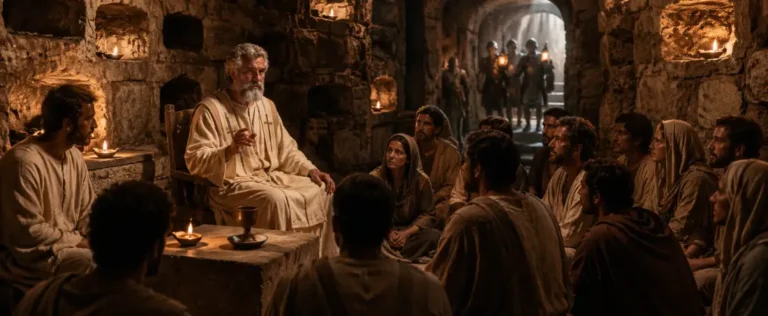
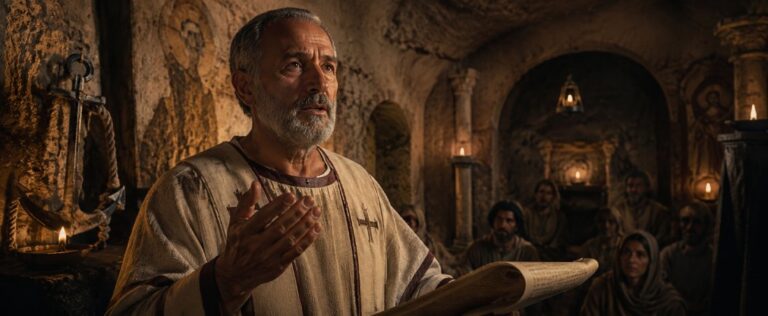
Pope Saint Lucius I
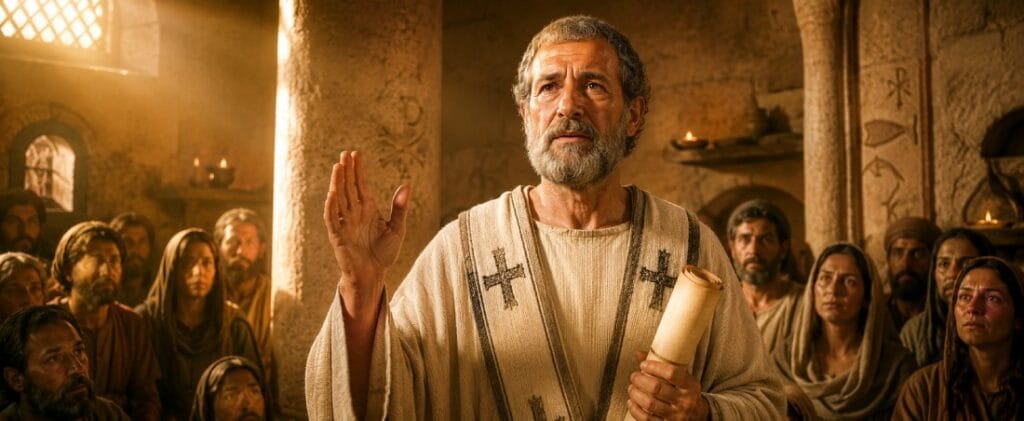
Saint Lucius I stands among the courageous shepherds of the Early Church who guided Christ’s flock during an age of persecution and uncertainty. Though his pontificate lasted less than a year, his witness of faith, mercy, and perseverance left a lasting spiritual legacy. Living during a time when Christians faced exile, imprisonment, and social hostility, Lucius demonstrated that true leadership is rooted not in power but in fidelity to Christ.
His life reminds Catholics that holiness often shines brightest in difficult circumstances. Through his steadfast commitment to the Gospel and his compassionate pastoral care, Saint Lucius I continues to offer valuable lessons for believers seeking to remain faithful amid modern challenges.
Early Life and Background
Historical records preserve very little information about the early life of Saint Lucius I. He was born in Rome during the third century, at a time when Christianity was still a persecuted faith within the Roman Empire. Ancient sources identify his father as Porphyrianus, but little else is known about his family or upbringing.
Although details of his education and priestly formation have been lost to history, it is clear that Lucius was respected among the Roman clergy. His election to the Chair of Saint Peter suggests that he possessed spiritual maturity, theological soundness, and a reputation for faithful service.
As a priest of the Roman Church, he lived during an era marked by recurring persecution and internal divisions. These experiences undoubtedly shaped his understanding of pastoral leadership, mercy, and the importance of unity within the Body of Christ.
Election to the Papacy
Saint Lucius I was elected Bishop of Rome on 25 June 253 following the death of Pope Saint Cornelius. His election occurred during a particularly turbulent period for the Church. Christians were still recovering from the persecutions initiated under Emperor Decius, and many believers had struggled with the question of how to treat those who had renounced the faith under threat of death.
The Church was also facing the ongoing challenge of the Novatian schism. Novatian and his followers argued that Christians who had lapsed during persecution could never be fully restored to communion. This position threatened Church unity and contradicted the Church’s understanding of repentance and forgiveness.
Lucius was chosen because he represented continuity with the pastoral approach of Saint Cornelius. He was known for balancing doctrinal fidelity with Christian mercy, making him a natural leader during a period of deep division.
Shortly after his election, Lucius himself was exiled from Rome. Yet his exile proved temporary, and he was eventually allowed to return to the city and resume his ministry. His return was celebrated by many Christians as a sign of God’s providential care for the Church.
Papacy and Leadership
Defending Mercy and Reconciliation
One of the defining issues of Lucius’s pontificate was the treatment of Christians who had abandoned the faith during persecution and later sought reconciliation.
Following the example of Saint Cornelius and in harmony with the teachings of Saint Cyprian of Carthage, Lucius supported the restoration of repentant sinners after genuine penance. This approach reflected the Church’s belief that God’s mercy remained available to all who sincerely turned back to Him.
Opposition to the Novatian Schism
Lucius firmly opposed the Novatian movement, which denied reconciliation to those who had fallen during persecution. By defending the Church’s authority to forgive sins through repentance, he preserved both doctrinal truth and pastoral charity.
His leadership helped strengthen unity within the Church at a time when division threatened the spiritual well-being of countless believers.
Leadership During Persecution
Although his reign was brief, Lucius led with courage. His willingness to endure exile for the faith demonstrated the qualities expected of a successor to Saint Peter. Rather than abandoning his flock during difficult times, he accepted personal suffering while continuing to guide the Church.
His example reinforced the understanding that the pope’s mission extends beyond governance to include sacrificial witness.
Prayer Life and Spirituality
While no personal writings of Saint Lucius I survive, his actions reveal a deeply spiritual man whose life was centered on Christ.
A Shepherd Formed by Faith
Lucius lived during an era when every Christian leader faced the possibility of imprisonment, exile, or death. Such circumstances required profound trust in God. His willingness to accept suffering without compromising the faith points to a life nourished by prayer and confidence in divine providence.
Mercy Rooted in the Gospel
One of the clearest expressions of his spirituality was his commitment to mercy. Lucius understood that Christ came to save sinners and that repentance opens the door to restoration.
His support for reconciling fallen Christians reflected the Gospel message of forgiveness. Rather than defining believers by their failures, he encouraged them to seek conversion and return to the communion of the Church.
Eucharistic Faith
As Bishop of Rome, Lucius would have presided over the celebration of the Eucharist at the heart of Christian life. During a time when gathering for worship could result in persecution, the Eucharist served as a source of courage, unity, and spiritual strength for believers.
Witness Through Suffering
The spirituality of Saint Lucius was not merely theoretical. It was lived through hardship. His exile became a testimony to his unwavering commitment to Christ and His Church.
For Catholics today, Lucius demonstrates that holiness is often forged through perseverance, humility, and trust in God’s plan.
Challenges and Trials
Saint Lucius I faced numerous difficulties during his brief pontificate.
Exile
Soon after becoming pope, Lucius was banished from Rome. This exile disrupted his ministry and reflected the unstable political climate facing Christians in the Roman Empire. Nevertheless, he remained faithful to his responsibilities and eventually returned to Rome.
The Novatian Controversy
The Church remained deeply divided over the issue of reconciliation for those who had lapsed during persecution. Lucius had to balance doctrinal integrity with pastoral compassion while preserving ecclesial unity.
Hostility Toward Christianity
The broader challenge of anti-Christian persecution remained ever-present. Even when active persecution temporarily eased, believers lived under constant uncertainty.
Lucius responded to these trials not with fear but with steadfast faith, encouraging Christians to remain united and trust in God’s mercy.
Death and Legacy
Saint Lucius I died in Rome on 5 March 254 after serving as pope for approximately eight months. Ancient traditions sometimes described him as a martyr, but modern historical scholarship and official Catholic sources generally conclude that he did not die through martyrdom. Instead, he is honored as a confessor of the faith who courageously endured exile for Christ.
He was buried in the Catacomb of Saint Callixtus, where fragments of his original epitaph have been discovered. His relics were later transferred to churches in Rome, and devotion to him spread to other parts of Europe.
Although his papacy was brief, his influence endured through his defense of reconciliation, his commitment to Church unity, and his witness during persecution.
His legacy can be summarized in three enduring themes:
- Mercy for repentant sinners.
- Courage in the face of suffering.
- Fidelity to the unity of the Church.
Lessons Catholics Can Learn Today
- Trust God even during seasons of uncertainty and hardship.
- Never lose hope in God’s mercy and forgiveness.
- Remain faithful to the Church during times of division.
- Practice reconciliation and forgiveness toward others.
- Stand firm in Christian beliefs with courage and humility.
- Remember that holiness is often formed through suffering.
- Seek unity within the Body of Christ rather than division.
Conclusion
Saint Lucius I may have reigned for only a short time, but his witness continues to shine across the centuries. In an age marked by persecution, exile, and ecclesial conflict, he demonstrated the power of mercy, courage, and unwavering faith.
His life reminds Catholics that authentic leadership flows from fidelity to Christ. Through prayer, perseverance, and trust in God’s providence, Saint Lucius guided the Church through difficult times and left behind a legacy that still inspires believers today.
As we honor Saint Lucius I, may we imitate his steadfast faith, embrace the mercy of God, and remain united with Christ and His Church in every circumstance.
Related Popes