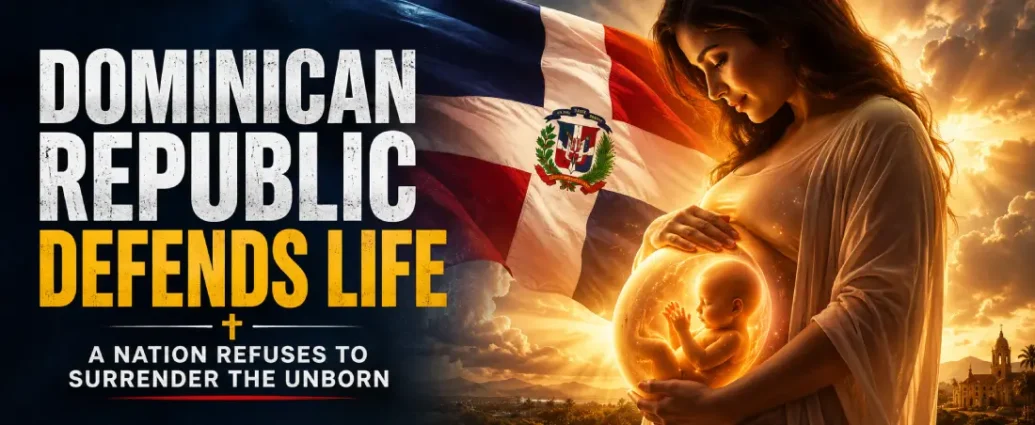
Outside the courts in Santo Domingo, something beautiful happened. Pro-life Catholics and Christians gathered to defend their nation’s constitutional protection of unborn life against a legal challenge filed by abortion advocacy groups—some of which falsely claim to represent Catholic teaching. The pro-life movement Dominican Republic isn’t backing down. They’re standing in the gap for those who cannot stand for themselves. And their witness matters deeply to us here in the United States, because the battle to protect life from conception to natural death is universal. It’s the calling of the whole Church.
This isn’t just a political story. It’s a moment that reveals what John Paul II warned us about in Evangelium Vitae: the struggle between the culture of life and the culture of death. When a nation’s laws protect the unborn, we’re witnessing something the Church has always taught is a solemn duty of the state. When those laws come under assault, we’re called to respond—not with hatred, but with the fierce love that refuses to abandon the most vulnerable.
Scripture gives us the foundation. The Psalmist proclaims God’s intimate involvement in creating each human person: “For thou didst form my inward parts, thou didst knit me together in my mother’s womb. I praise thee, for thou art fearful and wonderful. Wonderful are thy works!” (Psalm 139:13-14, RSV-CE). Every child in the womb is God’s handiwork, formed with intention and loved with an everlasting love. We can’t stay silent when those lives face legal threat. The constitutional challenge to Dominican Republic abortion law isn’t just a matter of policy—it’s a question of whether we honor God’s creative work or pretend we have authority to destroy it.
What Evangelium Vitae Teaches About the State’s Sacred Duty and Republic
The prophet Jeremiah received God’s word directly: “Before I formed you in the womb I knew you, and before you were born I consecrated you” (Jeremiah 1:5, RSV-CE). This isn’t poetic language. It’s revelation. God knows each person before birth, consecrates them, calls them by name. The unborn child isn’t a potential person or a clump of cells—that child is known by God. When abortion advocacy groups, especially those claiming Catholic identity, seek to overturn protections for these children, they’re asking the state to ignore what the Church has always known and taught: that human life begins at conception and deserves legal protection from that moment forward.
In Evangelium Vitae §71, John Paul II wrote with apostolic authority: “Abortion and euthanasia are thus crimes which no human law can claim to legitimize. There is no obligation in conscience to obey such laws; instead there is a grave and clear obligation to oppose them by conscientious objection.” This isn’t merely his personal opinion. It’s the constant teaching of the Magisterium, rooted in Sacred Scripture and Tradition. The state has no authority to legalize the direct killing of innocent human life. None. When civil authorities contemplate doing so, Catholics have a duty—not an option, but a duty—to resist.
The rallies outside the court in Santo Domingo embody what Catholic pro-life advocacy looks like in practice. These aren’t people motivated by political tribalism or cultural nostalgia. They’re responding to what the Catechism of the Catholic Church teaches clearly: “Human life must be respected and protected absolutely from the moment of conception. From the first moment of his existence, a human being must be recognized as having the rights of a person—among which is the inviolable right of every innocent being to life” (CCC 2270). That’s not negotiable. It’s not up for debate based on polling or cultural trends.
Catholic Pro-Life Advocacy and the Voice of the Voiceless
We need to name something painful here: groups claiming to represent Catholic teaching while advocating for abortion rights are spreading grave scandal. The Church’s teaching on life isn’t peripheral or optional. It’s central to the Gospel itself. In Evangelium Vitae §62, John Paul II invoked his authority as successor of Peter to declare that the direct and voluntary killing of an innocent human being is always gravely immoral. Always. When organizations twist Catholic social teaching to justify abortion access, they’re not offering an alternative Catholic perspective—they’re contradicting the Magisterium and leading souls away from truth.
The abortion law constitutional challenge in the Dominican Republic reveals the same pattern we’ve seen elsewhere: powerful international interests pressuring developing nations to abandon their pro-life laws, often using economic or diplomatic leverage. But the people gathered outside that courthouse are refusing to let their country’s most vulnerable be sacrificed. They understand what Proverbs 31:8-9 commands: to speak for those who cannot speak for themselves. The unborn have no voice in court. They can’t hire lawyers or file briefs. They depend entirely on us—on our willingness to stand and speak.
So what do we do with this? First, we recognize that sanctity of life protests and advocacy aren’t just for activists or professional organizers. They’re part of our baptismal calling. Every Catholic is called to defend life. That might mean praying outside abortion facilities, supporting crisis pregnancy centers, voting for candidates who protect the unborn, or simply refusing to stay silent when abortion is normalized in conversation. The Catechism reminds us: “The inalienable right to life of every innocent human individual is a constitutive element of a civil society and its legislation” (CCC 2273). We’re not imposing religious values on secular society. We’re insisting that civil law acknowledge the fundamental human rights the Church has always recognized.
What This Means for Catholics and the Pro-Life Movement Dominican Republic
Second, we need to pray for the Dominican Republic and support the pro-life movement there—not just with sentiment, but with concrete solidarity. We can learn from their courage. We can share their story. We can connect American pro-life organizations with their Dominican brothers and sisters. And we can examine our own hearts: are we as willing to stand publicly for life as they are? Would we show up outside a courthouse knowing we might be mocked or dismissed?
Third, we must reclaim authentic Catholic social teaching from those who would distort it. The Church’s preferential option for the poor absolutely includes the unborn—the poorest and most vulnerable of all. We can’t let anyone claim the mantle of Catholic justice while advocating for legal abortion. That’s not prophetic witness. It’s betrayal. And we need to say so, clearly and charitably, whenever we encounter it.
- Lord Jesus, protect the constitutional protections for unborn life in the Dominican Republic. Strengthen the judges hearing this case, that they may have wisdom to recognize the sacred dignity of every human person from conception. Let justice prevail.
Prayer Points for the Pro-Life Movement Dominican Republic
- Holy Spirit, embolden the pro-life advocates gathering outside the courts in Santo Domingo. Shield them from discouragement and fill them with supernatural courage. May their witness inspire Catholics around the world to defend life without apology or compromise.
- Heavenly Father, expose and dismantle the work of organizations that misrepresent Catholic teaching to advance abortion. Open the eyes of those who’ve been deceived by false mercy. Bring clarity where there is confusion, and conversion where there is obstinacy.
- Mary, Mother of the Unborn, intercede for every child whose life hangs in the balance because of unjust laws or legal challenges. Soften the hearts of lawmakers, judges, and citizens. Help us build a true culture of life in every nation.
- St. Joseph, protector of the Holy Family, guard the families of the Dominican Republic and all families threatened by the culture of death. Give fathers and mothers courage to welcome life. Give all of us the strength to stand for those who cannot stand for themselves.
📖 You Might Also Like
This is a faith commentary responding to reporting by CNA. PrayerWarriorsUSA does not reproduce the original article — we offer a Christian perspective and call to prayer in response to current events.