
Protecting the Unborn: A Catholic Reflection on Chemical Abortion and the Fifth Circuit Ruling
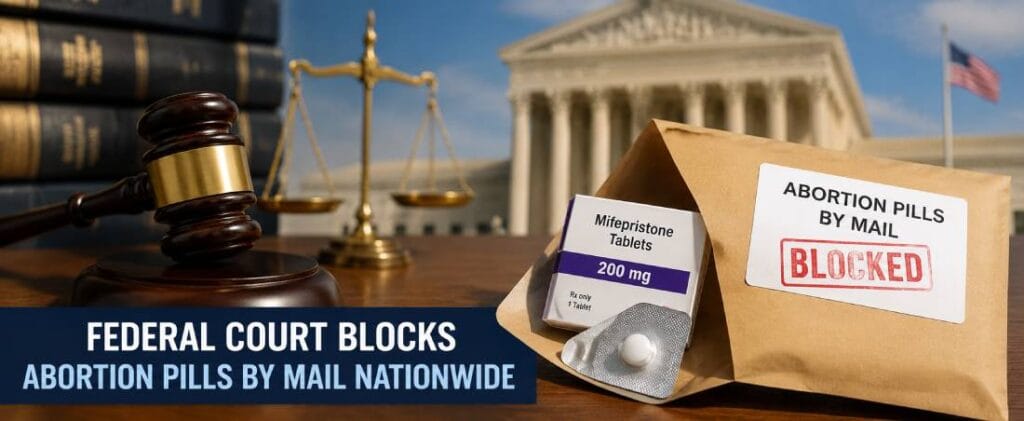
The Fifth Circuit Court of Appeals’ decision to restrict the mail-order distribution of chemical abortion pills represents a critical juncture in the ongoing effort to defend vulnerable human life. By challenging policies that permitted potent abortifacient drugs to be dispensed through the mail without direct, in-person medical supervision, the court’s decision addresses significant risks to maternal health while asserting the fundamental right to life for the unborn.
For Catholics, this legal development is not merely a political victory, but a profound spiritual call to action. It demands a renewed commitment to prayer, public witness, and authentic pastoral care for mothers facing difficult or crisis pregnancies.
The Reality of Chemical Abortion and Human Dignity
Chemical abortion now accounts for more than half of all pregnancy terminations in the United States. The removal of in-person dispensing requirements enabled nationwide mail-order access, creating conditions where women frequently undergo intense, painful medical events at home without adequate preliminary screening for ectopic pregnancies, gestational age verification, or immediate emergency care.
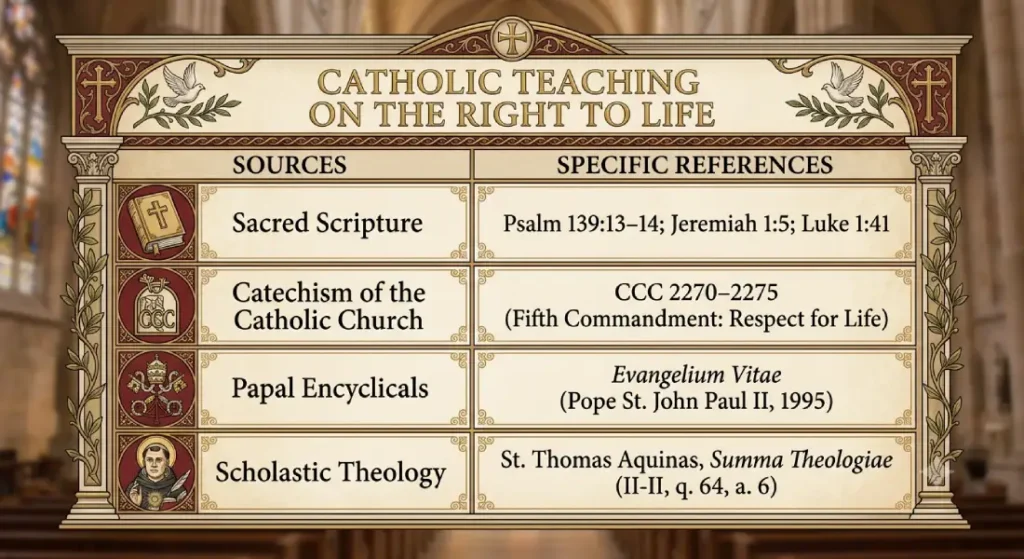
Beyond the physical health risks involved, chemical abortion directly targets human life at its most defenseless stage. Sacred Scripture affirms the intimate and divine origin of every human soul: “For you created my inmost being; you knit me together in my mother’s womb. I praise you because I am fearfully and wonderfully made” (Psalm 139:13–14).
The Catholic Church has unwaveringly affirmed the absolute sanctity of human life from its earliest beginning:
“Human life must be respected and protected absolutely from the moment of conception. From the first moment of his existence, a human being must be recognized as having the rights of a person—among which is the inviolable right of every innocent being to life.”
— Catechism of the Catholic Church (CCC 2270)
In his landmark encyclical Evangelium Vitae (The Gospel of Life), Pope St. John Paul II reiterated that direct abortion constitutes a grave moral disorder, as it involves the deliberate killing of an innocent human being (EV 57). Treating abortifacient drugs as routine, mail-order commodities ignores the sacred dignity of unborn children and minimizes the physical and emotional risks faced by women.
Divine Providence, Justice, and Civil Law
While legal decisions occur within secular courts, Catholic theology recognizes the subtle operation of Divine Providence within human history. As St. Thomas Aquinas teaches, human law is valid only insofar as it conforms to right reason and the eternal law of God (Summa Theologiae, I-II, q. 95, a. 2). When civil statutes fail to protect innocent human life, they lose their moral authority.
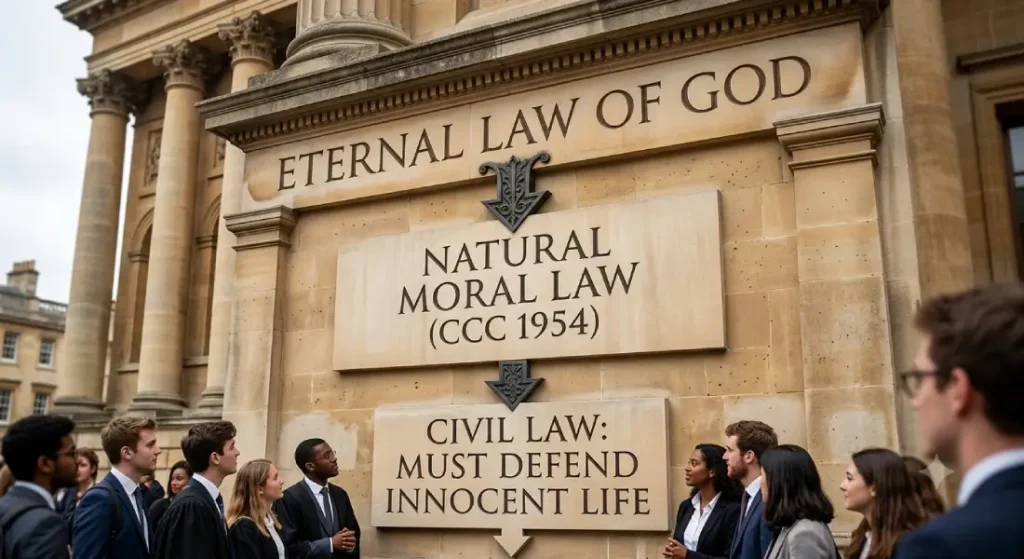
The Fifth Circuit’s decision realigns administrative policy with the basic duty of civil government: protecting the weak and defenseless. However, legal rulings are only one part of building a culture of life.
Spiritual Warfare: Prayer, Penance, and Reparation
In Ephesians 6:12, Saint Paul reminds us: “For our struggle is not against flesh and blood, but against the rulers, against the authorities, against the powers of this dark world and against the spiritual forces of evil in the heavenly realms”. The effort to build a culture of life is fundamentally a spiritual endeavor.
Catholics are called to respond to this moment not with triumphalism, but with humility, penance, and earnest intercession:
- The Holy Rosary: Offering daily decades of the Rosary through the Immaculate Heart of Mary for the protection of unborn children and the support of expectant mothers.
- Eucharistic Adoration: Spending time before the Blessed Sacrament in reparation for offenses committed against the sanctity of human life.
- Fast and Abstinence: Offering personal mortifications for the conversion of hearts, particularly for those working within or profiting from the abortion industry.
Pastoral Charity and Post-Abortion Healing
A complete Catholic response requires unwavering pastoral care for women in crisis. Pro-life commitment must extend beyond legal advocacy to offer tangible support, material assistance, and spiritual mercy.
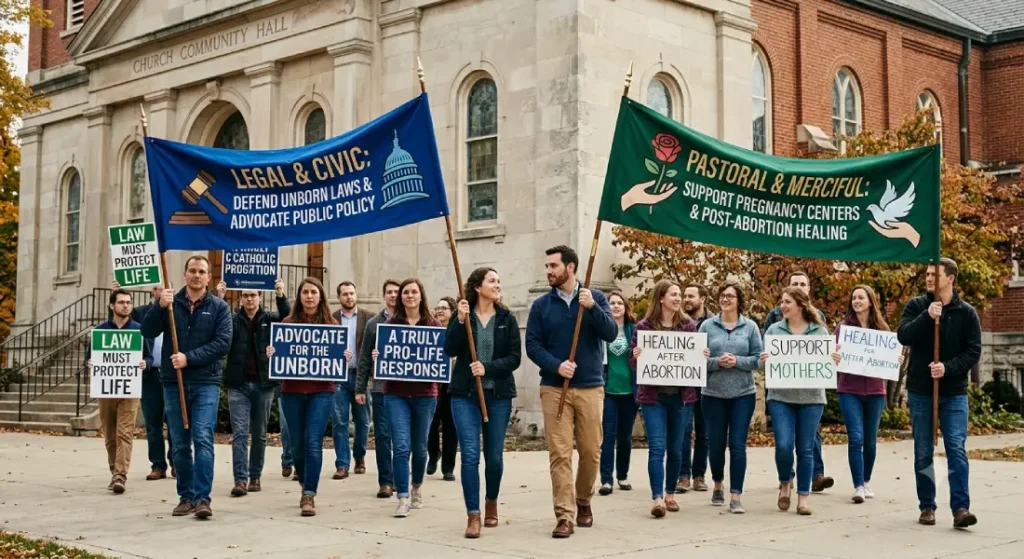
To those who have experienced a chemical or surgical abortion, the Catholic Church extends Christ’s infinite mercy. As Pope St. John Paul II wrote directly to women who have had abortions:
“The Church is aware of the many factors which may have influenced your decision, and she does not doubt that in many cases it was a painful and even shattering one… Do not give in to discouragement and do not lose hope. Try rather to understand what happened and face it with honesty. If you have not already done so, give yourselves over with humility and trust to repentance. The Father of mercies is ready to give you his forgiveness and his peace in the Sacrament of Reconciliation.”
— Evangelium Vitae, n. 99
Ministries such as Project Rachel and Rachel’s Vineyard offer confidential, compassionate post-abortion healing grounded in the Sacraments of the Church.
Standing Firm in Faith, Hope, and Charity
The Fifth Circuit ruling marks an important step toward protecting both unborn children and mothers from the harms of mail-order chemical abortion. Yet, legal proceedings will continue, and cultural challenges remain.
The faithful must remain steadfast—supporting local pregnancy resource centers, offering practical aid to expectant mothers, advocating for just laws, and praying without ceasing. By uniting truth with charity, the Church continues to witness to the sacred value of every human life, from conception to natural death.
Frequently Asked Questions (Catholic Perspective)
The Catholic Church teaches that direct abortion, whether achieved through surgical methods or chemical drugs (such as mifepristone and misoprostol), is gravely contrary to the moral law (CCC 2271). Because human life begins at conception (CCC 2270), any action intentionally intended to terminate an early pregnancy violates the Fifth Commandment.
Through parish outreach, diocesan Catholic Charities, and national initiatives like the USCCB’s Walking with Moms in Need, the Church provides spiritual, financial, medical, and housing support to women and families facing unexpected pregnancies.
The Catholic Church offers post-abortion healing through Project Rachel and Rachel’s Vineyard. These ministries provide confidential counseling, spiritual direction, retreats, and access to the Sacrament of Penance and Reconciliation (Confession), where penitents receive Christ’s forgiveness and peace.
Source: LifeSiteNews
Continue Your Faith Journey
Dobbs Decision Anniversary: Why the Battle for Life Has Moved from the Courts to the Heart
On the Dobbs decision anniversary, the pro-life mission shifts from courtrooms to human hearts. Discover how Catholic teaching and Evangelium Vitae call…
Venerable Jérôme Lejeune, Pope Leo XIV, and the Inviolable Dignity of Human Life
Explore how Venerable Jérôme Lejeune's scientific witness and Catholic teaching defend the sacred dignity of human life against modern programmed death. Learn…
What the Catholic Church Teaches About Surrogacy: Dignity, Marriage, and the Gift of Life
Explore what the Catholic Church teaches about surrogacy, human dignity, and the sacred marital covenant. Learn why the Magisterium protects children as…