
Pro-Life Down Syndrome Abortion: Standing for Unconditional Human Dignity
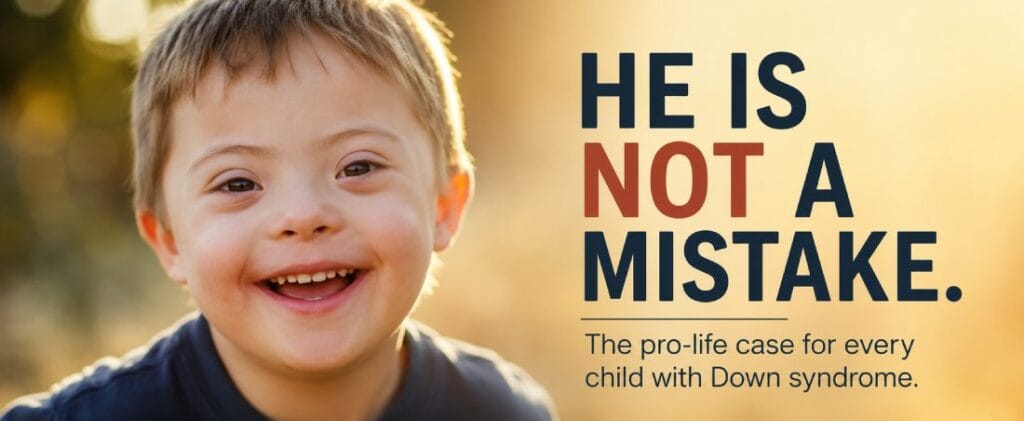
When news spreads of a pregnancy termination following a prenatal Down syndrome diagnosis, it triggers intense national debate. Beyond the headline cycle, this moment forces a profound cultural and moral reckoning. How does a society determine the value of a human life?
The Catholic Church offers an unwavering answer rooted in truth, reason, and love: human worth is never determined by productivity, physical capability, or chromosome counts. Every human being possesses infinite dignity from the moment of conception.
Quick Summary: Catholic Teaching on Prenatal Diagnoses
| Key Dimension | Church Teaching & Doctrinal Grounding |
| Inherent Human Dignity | Every person, regardless of genetic diagnosis, possesses full human dignity as an image-bearer of God (CCC 2270). |
| Prenatal Diagnoses | Licit only when respecting life and aiming at healing or medical preparation; unlawful as a rationale for termination (CCC 2274, Evangelium Vitae 63). |
| Christian Duty | Providing active material, emotional, and spiritual support for families facing complex diagnoses (James 1:27). |
The Culture’s Contradiction: Inclusion vs. Elimination
Modern culture displays a striking contradiction. On one hand, institutions advocate for disability inclusion, accessibility, and equal rights. On the other hand, selective abortion following a prenatal diagnosis systematically eliminates unborn children with Down syndrome.
In several Western nations, prenatal screening programs lead to the abortion of over 90% of unborn children diagnosed with Trisomy 21. When difference is treated as defect, diagnostic tools are transformed from instruments of care into mechanisms of selective exclusion.
This practice rests on utilitarian criteria: projected quality of life, economic burden, and parental convenience. Against this standard, Catholic moral theology asserts that human dignity is intrinsic, not conditional.
Magisterial Anchor:
“Human life must be respected and protected absolutely from the moment of conception. From the first moment of his existence, a human being must be recognized as having the rights of a person…”
What Scripture and Sacred Tradition Reveal
The Word of God leaves no room for selective valuation of human life. Psalmic revelation speaks directly to God’s creative action in the womb:
“For it was you who formed my inward parts; you knit me together in my mother’s womb. I praise you, for I am fearfully and wonderfully made. Wonderful are your works; that I know very well.”
— Psalm 139:13–14 (RSV-CE)
Distinguishing Creator, Soul, and Physical Vulnerability
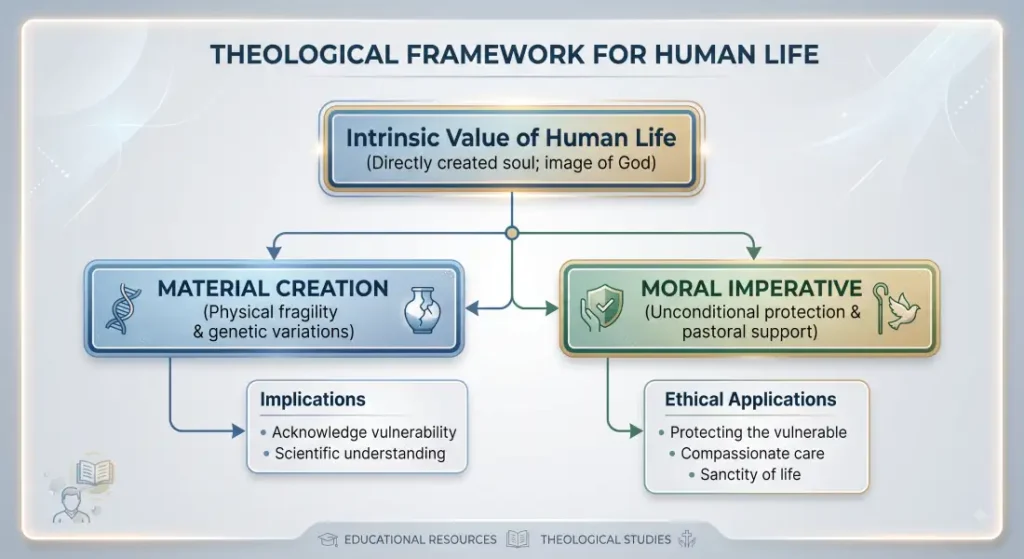
In Catholic scholastic theology, particularly in the writings of St. Thomas Aquinas (Summa Theologiae I, q. 48–49), a distinction is drawn between God’s direct creation of the spiritual soul and the physical fragilities of the natural world post-Fall.
- Direct Divine Creation: God directly creates each human soul in His own image, conferring unconditional dignity upon the individual (CCC 357).
- Physical Limitations: Genetic conditions reflect the physical vulnerability inherent in our material world, permitted under God’s general providence.
- Absolute Worth: A genetic variation like Trisomy 21 is never a mistake of divine purpose. The child is fully human, fully loved, and intended by God from all eternity.
To claim that a diagnosis forfeits a child’s right to life is to substitute human metrics for divine reality.
The Moral Parameters of Prenatal Diagnoses
Catholic moral theology evaluates medical technology based on its intent and outcome. Prenatal testing itself is not inherently immoral, but its application must conform to moral truth.
1. When Prenatal Diagnoses Are Licit
The Church supports medical advancements that serve the health of both mother and child. As the Catechism explains:
“Prenatal diagnosis is morally licit, if it respects the life and integrity of the embryo and the human fetus and is directed toward its safeguarding or healing…”
— CCC 2274
When used to prepare parents, arrange specialized delivery care, or pursue in-utero therapies, testing honors human dignity.
2. The Grave Evil of Eugenic Abortion
Conversely, using prenatal testing as a search-and-eliminate tool is gravely contrary to the moral law. In his encyclical Evangelium Vitae, Pope St. John Paul II warned against this mindset:
“Mentality which accepts abortion in cases of testing which reveals the presence of abnormalities or diseases… is eugenic, a mentality which accepts selective abortion in order to prevent the birth of children affected by various types of anomalies.”
— Evangelium Vitae, 63
True compassion does not eliminate the sufferer; it surrounds the vulnerable with protective care.
Pure Religion in Action: Our Threefold Responsibility
In the Epistle of James, Scripture defines authentic faith through concrete action:
“Pure and undefiled religion before God the Father is this: to care for orphans and widows in their affliction and to keep oneself unstained by the world.”
— James 1:27 (RSV-CE)
Applying this standard to unborn children with Down syndrome requires three commitments from the Christian community:
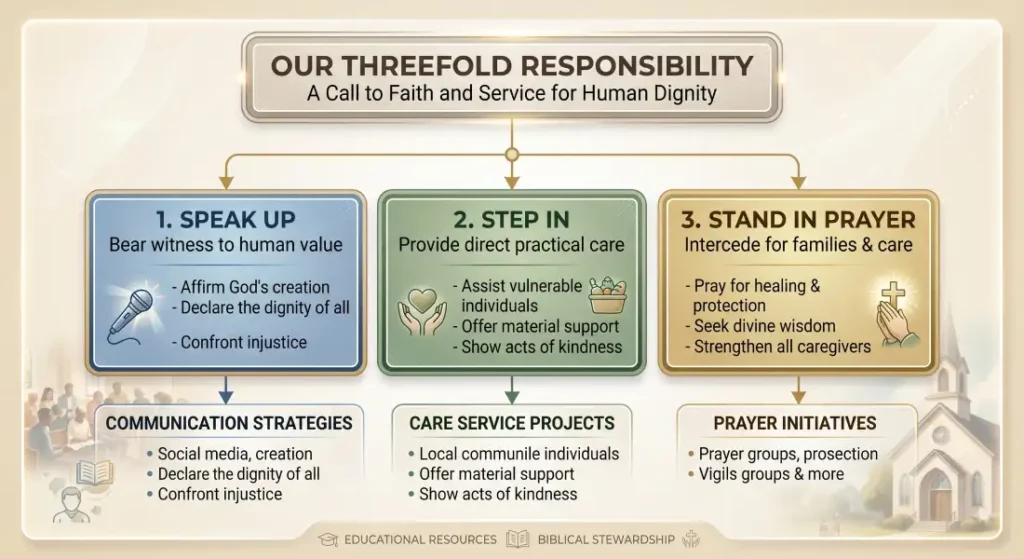
1. Speak the Truth with Clarity and Charity
We must publicly reject the lie that some lives are burdens not worth living. When cultural commentary presents abortion as a convenient resolution to a Down syndrome diagnosis, we must respond with clear moral truth: authentic compassion protects the vulnerable.
2. Provide Practical and Tangible Accompaniment
Defending life requires real-world presence. Pro-life commitment must manifest through direct assistance to families:
- Supporting crisis pregnancy resource networks and parish programs like Walking with Moms in Need.
- Funding medical care, respite resources, and specialized educational opportunities for families raising children with special needs.
- Welcoming persons with intellectual and developmental disabilities fully into parish life and the Sacraments.
3. Persevere in Prayer and Intercession
Spiritual warfare requires focused prayer. We must consistently pray for:
- Mothers and Fathers: That God grants them peace, strength, and supportive communities upon receiving a challenging diagnosis.
- Medical Professionals: That clinicians communicate diagnoses with ethical integrity, respect, and reverence for life.
- Cultural Transformation: That society rejects eugenic mentalities and recognizes the value of every human life.
A Prayer for Life and Families
Lord God, Creator of all life, we lift up every family facing a prenatal diagnosis today. Surround mothers and fathers with Your peace, and send faithful companions to support them in choosing life.
Grant wisdom to medical professionals, that they may serve as guardians of human life rather than judges of its worth. Strengthen pro-life advocates with courage and charity to defend the unborn while supporting families in need.
We give You thanks for persons with Down syndrome, whose lives inspire love, joy, and community. Transform our culture, Lord, that every child may be welcomed as a precious gift made in Your divine image. Amen.
Frequently Asked Questions
The Catholic Church teaches that prenatal diagnosis is morally licit if it respects the child’s life and aims at medical preparation or healing (CCC 2274). However, using diagnosis to selectively abort a child with Down syndrome gravely violates the moral law (Evangelium Vitae 63).
Prenatal testing itself is not a sin if conducted safely and with righteous intent. It becomes morally wrong only if performed with the intention of aborting the child should a disability or genetic condition be detected.
Parishes can support families by offering practical assistance through initiatives like “Walking with Moms in Need,” providing inclusive catechesis and sacramental access, offering respite support, and maintaining welcoming parish communities for individuals with special needs.
The Church opposes selective abortion because human dignity is intrinsic and conferred by God from conception (CCC 2270). Human value does not depend on physical perfection, health, or productivity; targeting disabled unborn children constitutes eugenics.
Continue Your Faith Journey
What the Catholic Church Teaches About Surrogacy: Dignity, Marriage, and the Gift of Life
Explore what the Catholic Church teaches about surrogacy, human dignity, and the sacred marital covenant. Learn why the Magisterium protects children as…
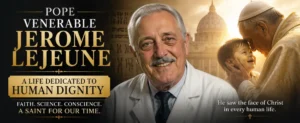
Venerable Jérôme Lejeune, Pope Leo XIV, and the Inviolable Dignity of Human Life
Explore how Venerable Jérôme Lejeune's scientific witness and Catholic teaching defend the sacred dignity of human life against modern programmed death. Learn…
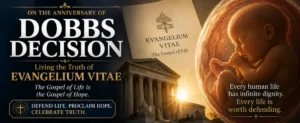
Dobbs Decision Anniversary: Why the Battle for Life Has Moved from the Courts to the Heart
On the Dobbs decision anniversary, the pro-life mission shifts from courtrooms to human hearts. Discover how Catholic teaching and Evangelium Vitae call…