His Holiness Pope Leo XIV
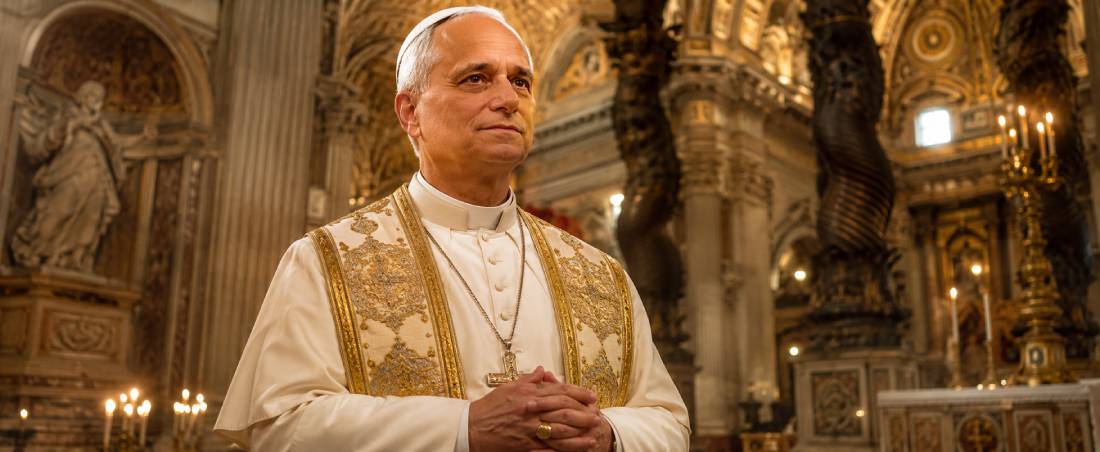
Pope Leo XIV entered history as one of the most remarkable papal elections in modern Catholic history. Born Robert Francis Prevost in Chicago, he became the first American-born pope, the first Augustinian pope, and one of the most globally experienced pontiffs ever elected to the Chair of Saint Peter.
His election in 2025 came during a time when Catholics around the world were searching for spiritual clarity, unity, and faithful leadership. Deeply shaped by missionary service in Peru, Augustinian spirituality, and decades of pastoral work, Pope Leo XIV quickly emerged as a pope focused on peace, evangelization, humility, and communion within the Church.
For many Catholics today, Pope Leo XIV represents a bridge between cultures, generations, and spiritual traditions. His papacy reflects both continuity with the Church’s ancient mission and renewed energy for modern evangelization.
Early Life and Background
Robert Francis Prevost was born on September 14, 1955, in Chicago, Illinois, into a devout Catholic family rooted in faith, discipline, and service. From a young age, he demonstrated intellectual ability, spiritual seriousness, and a deep attraction to the priesthood.
He studied at Villanova University, where he earned a degree in mathematics while also deepening his philosophical and theological formation. Eventually, he entered the Order of Saint Augustine, embracing the spirituality of Saint Augustine centered on conversion of heart, community life, humility, and love for Christ.
After entering religious life, he pursued theological studies at the Catholic Theological Union in Chicago and later continued advanced canon law studies in Rome at the Pontifical University of Saint Thomas Aquinas.
Ordained a priest in 1982, Father Prevost soon became known for his calm leadership, missionary zeal, and pastoral sensitivity. Much of his priestly life was spent serving in Peru, where he worked closely with the poor, formed seminarians, and helped strengthen local Catholic communities.
His years in Latin America profoundly shaped his spirituality. He became known not as a distant administrator but as a missionary pastor who lived close to ordinary people.
Election to the Papacy
The election of Pope Leo XIV took place on May 8, 2025, following the death of Pope Francis. The Catholic Church was facing significant challenges at the time, including secularization in the West, declining Mass attendance in some regions, internal ideological tensions, and ongoing concerns about clergy abuse accountability.
Cardinals entering the conclave sought a leader capable of preserving unity while continuing missionary outreach and pastoral reform. Robert Francis Prevost emerged as a compelling candidate because of his global experience, theological balance, and reputation for humility.
His election surprised many observers because no American had ever previously been elected pope. Historically, concerns about geopolitical influence made the election of a U.S.-born pope unlikely. However, Cardinal Prevost’s long missionary service in Peru and his international leadership within the Augustinian order gave him a distinctly global identity.
When he accepted the papacy and chose the name Leo XIV, many Catholics immediately recognized the significance. The name evoked the legacy of Pope Leo XIII, remembered for Catholic social teaching and intellectual engagement with the modern world.
Papacy and Leadership
A Missionary Vision for the Church
From the beginning of his pontificate, Pope Leo XIV emphasized evangelization, missionary discipleship, and unity within the Body of Christ. His pastoral style reflected simplicity and accessibility rather than ceremonial grandeur.
Drawing from his Augustinian spirituality, he consistently emphasized that the Church must remain centered on Christ and rooted in charity.
Commitment to Synodality
Pope Leo XIV continued the Church’s emphasis on synodality, encouraging bishops, clergy, religious, and lay Catholics to journey together in discernment and mission. He stressed listening, dialogue, and pastoral accompaniment while remaining faithful to Catholic doctrine.
Defense of Catholic Social Teaching
Inspired partly by the legacy of Pope Leo XIII, Pope Leo XIV strongly emphasized Catholic social teaching, particularly care for the poor, migrants, workers, and marginalized communities.
His missionary experience in Peru deeply influenced his concern for social justice, human dignity, and solidarity with suffering people.
Leadership Style
Unlike highly political leadership models, Pope Leo XIV has often projected calm spiritual fatherhood. He is widely recognized for thoughtful governance, theological moderation, and personal humility.
His leadership combines:
- Intellectual formation
- Missionary experience
- Canon law expertise
- Pastoral compassion
- Strong ecclesial unity
Prayer Life and Spirituality
One of the defining features of Pope Leo XIV is his deeply Augustinian spirituality. The spiritual teachings of Saint Augustine of Hippo profoundly shaped his understanding of prayer, conversion, grace, and communion with God.
Throughout his priesthood and episcopal ministry, he cultivated a disciplined sacramental life rooted in:
- Daily Eucharistic devotion
- Liturgy of the Hours
- Marian prayer
- Silent contemplation
- Scripture meditation
Eucharistic Devotion
Pope Leo XIV frequently emphasizes the Eucharist as the center of Christian life. Those who worked with him in Peru often described him as a priest deeply reverent during Mass and prayer before the Blessed Sacrament.
His spirituality teaches Catholics that authentic renewal begins not through activism alone, but through adoration, repentance, and intimacy with Christ.
Marian Devotion
Like many Catholic missionaries, Pope Leo XIV possesses a strong devotion to the Blessed Virgin Mary. His years in Latin America strengthened his appreciation for popular Marian spirituality and the maternal role of Mary within the Church.
He consistently encourages Catholics to pray the Rosary and entrust their lives to the intercession of Our Lady.
Augustinian Spirituality
The spirituality of Saint Augustine remains central to Pope Leo XIV’s identity. This spirituality emphasizes:
- Restlessness for God
- Interior conversion
- Community life
- Charity
- Search for truth
- Humility before grace
His homilies frequently call Catholics to rediscover the interior life and cultivate deeper prayer amid the distractions of modern society.
Spiritual Example for Catholics
Pope Leo XIV’s spiritual witness reminds Catholics that holiness grows through:
- Faithfulness in ordinary duties
- Prayerful silence
- Love for the Eucharist
- Humble service
- Unity within the Church
- Trust in divine providence
Challenges and Trials
Pope Leo XIV inherited a Church facing enormous pressures from both secular society and internal divisions.
Secularization
One of the greatest challenges of his papacy is the growing secularization affecting many traditionally Catholic nations. Declining Mass attendance, weakening religious identity, and moral confusion continue to challenge Church leadership globally.
Church Unity
The Catholic Church also faces ideological polarization between differing theological and pastoral perspectives. Pope Leo XIV has consistently called for unity rooted in fidelity to Christ and communion with the universal Church.
Abuse Crisis Accountability
Like all modern popes, Pope Leo XIV must continue addressing the clergy abuse crisis with transparency, justice, and compassion for victims. This remains one of the defining moral challenges facing the contemporary Church.
Global Conflicts and Social Tensions
His papacy also unfolds amid wars, economic instability, migration crises, and cultural fragmentation. Pope Leo XIV regularly urges world leaders to pursue peace, reconciliation, and respect for human dignity.
Legacy
As of today, Pope Leo XIV continues to serve as the Supreme Pontiff of the Catholic Church.
Even in the early years of his papacy, his historical importance is already clear. His election marked several historic milestones:
- First American-born pope
- First Augustinian pope
- First pope with dual American and Peruvian identity
- Strong missionary-centered pontificate
His legacy is being shaped by his commitment to:
- Evangelization
- Church unity
- Catholic social teaching
- Pastoral humility
- Global missionary outreach
Many Catholics see in Pope Leo XIV a leader capable of helping the Church navigate the complexities of the modern world while remaining firmly rooted in the Gospel.
Lessons Catholics Can Learn Today
- Develop a deep and consistent prayer life centered on the Eucharist
- Remain faithful to Christ even during cultural confusion
- Serve the poor and marginalized with compassion
- Pursue unity within the Church rather than division
- Allow Scripture and prayer to shape daily decisions
- Practice humility and charity in leadership
- Trust God’s providence during uncertainty
- Live missionary discipleship in everyday life
Conclusion
Pope Leo XIV stands as a historic figure whose life reflects missionary service, intellectual formation, pastoral humility, and deep Catholic spirituality. At a time when the Church faces enormous cultural and spiritual challenges, his witness calls Catholics back to prayer, communion, evangelization, and trust in Christ.
His Augustinian spirituality, love for the Eucharist, and commitment to serving God’s people continue to inspire Catholics around the world. Whether through missionary outreach, pastoral leadership, or spiritual teaching, Pope Leo XIV reminds the faithful that the Church’s true strength is found not in worldly power but in holiness, truth, and charity.
For Catholics today, his papacy is an invitation to renew faith, deepen prayer, and remain steadfast in love for Christ and His Church.