Pope Saint Fabian
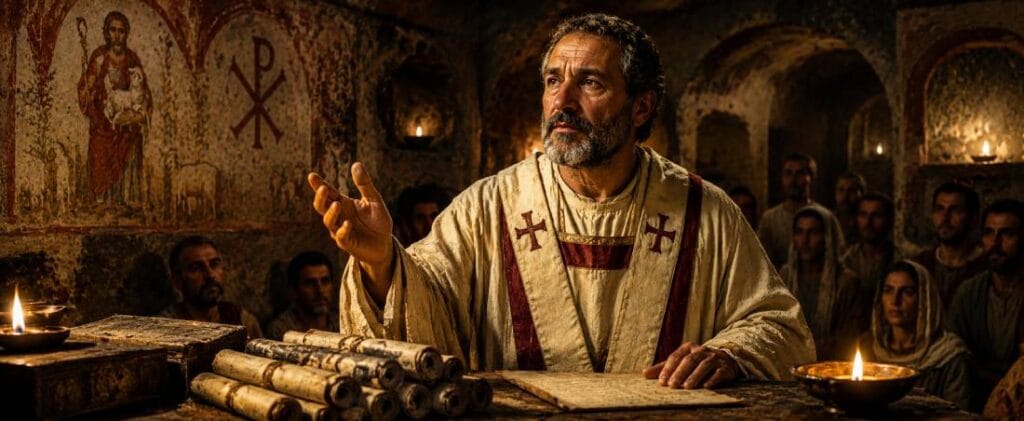
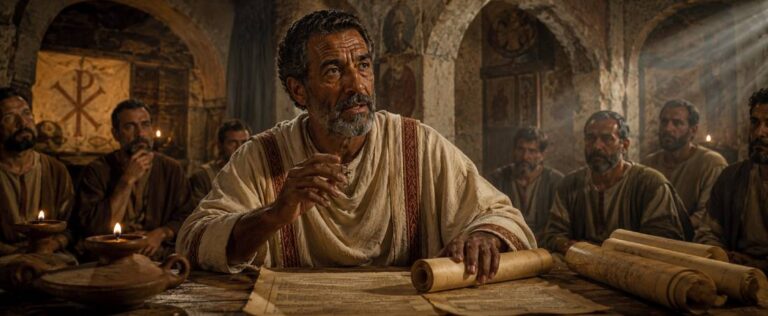
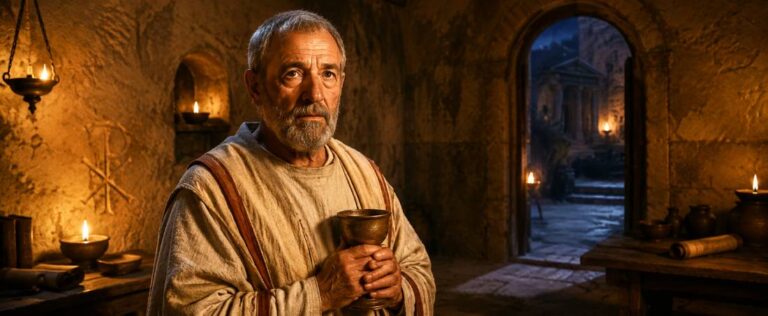
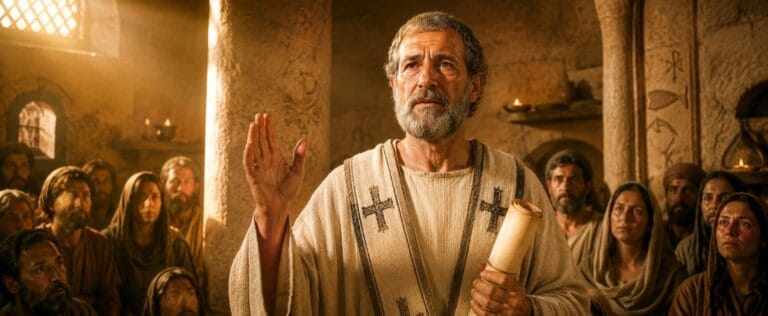
Saint Fabian remains one of the most remarkable popes of the early Catholic Church. Chosen unexpectedly during a time of uncertainty and later crowned by martyrdom, Fabian became a symbol of divine providence, courageous leadership, and unwavering fidelity to Christ.
His papacy lasted more than fourteen years — an unusually long and stable reign for the persecuted Church of the third century. During those years, Saint Fabian strengthened Church organization, defended apostolic tradition, honored the memory of martyrs, and guided Christians through periods of both peace and severe persecution.
Catholic tradition especially remembers the extraordinary moment of his election, when a dove reportedly descended upon his head before the gathered clergy and faithful, echoing the descent of the Holy Spirit. To many believers, this sign revealed God’s hand in choosing a shepherd for His suffering Church.
Today, Saint Fabian continues to inspire Catholics through his humility, pastoral wisdom, administrative vision, and ultimate sacrifice for the Gospel.
Early Life and Background
Historical details about the early life of Saint Fabian are limited, as is common with many early popes. Ancient sources indicate that he was likely a Roman citizen and may have come from a rural area near Rome. According to the historian Eusebius, Fabian was not initially considered a major candidate for the papacy.
He grew up during a period when Christianity remained illegal within the Roman Empire. Christians lived under constant uncertainty, aware that local persecutions could erupt at any moment. This atmosphere shaped generations of believers who learned to place complete trust in Christ rather than earthly security.
Fabian likely received strong Christian formation within the Roman Church. Early clergy were expected to possess deep familiarity with Sacred Scripture, apostolic teaching, liturgical worship, and pastoral care. His spiritual maturity and reputation for holiness eventually brought him into the attention of the Roman Christian community.
Though little survives regarding his priesthood before becoming pope, his later leadership reveals a man gifted with discipline, prudence, courage, and profound devotion to the unity of the Church.
Election to the Papacy
Saint Fabian’s election to the papacy in January 236 AD became one of the most memorable events in early Church history.
Following the death of Pope Saint Anterus, clergy and lay Christians gathered in Rome to elect a new bishop. Fabian was reportedly present among the crowd but was not considered a leading candidate. According to Eusebius, during the proceedings a dove suddenly descended and rested upon Fabian’s head.
The gathered faithful immediately recognized the event as a sign of the Holy Spirit, recalling the descent of the Spirit upon Christ at His baptism. Fabian was then unanimously chosen as pope.
The Historical Context
Fabian became pope during a relatively calmer phase between major persecutions. The Church was growing steadily throughout the Roman Empire, expanding in numbers, organization, and influence.
Yet danger remained close. Christians still lacked legal protection and could become targets whenever political conditions changed. The Roman Empire itself faced instability, military conflicts, and leadership crises.
Fabian understood that the Church needed stronger organization and faithful pastoral leadership to survive future persecutions.
Papacy and Leadership
Strengthening the Structure of the Roman Church
One of Saint Fabian’s most significant achievements was reorganizing the Church administration in Rome. Ancient traditions state that he divided the city into seven ecclesiastical districts, each supervised by a deacon.
This structure helped:
- improve care for the poor
- preserve Church records
- support widows and martyrs’ families
- coordinate sacramental ministry
- strengthen communication among Christians
Fabian’s reforms contributed greatly to the development of the organized pastoral structure that later characterized the Catholic Church.
Preservation of Martyr Records
Following the example of his predecessor Saint Anterus, Fabian emphasized preserving the testimonies of martyrs. Christians who gave their lives for Christ were deeply honored by the early Church.
By recording their witness, Fabian helped ensure that future generations would remember their courage and remain inspired by their fidelity.
Missionary Expansion
Tradition credits Saint Fabian with sending missionaries into Gaul, modern-day France, to evangelize growing Christian communities there. Among these missionaries were bishops who later became important saints in regional Christian history.
This missionary activity demonstrated Fabian’s commitment to spreading the Gospel beyond Rome and strengthening the universal Church.
Relations with Other Christian Leaders
Saint Fabian maintained communication with influential Christian theologians and bishops throughout the empire. One notable relationship involved the scholar Origen, whose theological work influenced many early Christians despite later controversies surrounding some of his teachings.
Fabian sought to preserve unity while protecting apostolic orthodoxy and maintaining discipline within the Church.
Prayer Life and Spirituality
The spirituality of Saint Fabian reflected the deeply sacramental and Christ-centered life of the early Church. Christians of the third century lived with a vivid awareness that following Christ required courage, prayer, and total trust in divine providence.
Fabian’s leadership suggests a man rooted in:
- Eucharistic devotion
- disciplined prayer
- fasting
- pastoral charity
- reverence for the martyrs
- fidelity to apostolic teaching
The Eucharist stood at the center of Christian life during Fabian’s papacy. Even under the threat of persecution, believers gathered for the Holy Sacrifice of the Mass, often in private homes or hidden places.
Fabian likely spent long hours in prayer for the persecuted faithful entrusted to his care. His calm and steady governance during difficult times reflected profound interior spiritual discipline.
Devotion to the Communion of Saints
The early Church maintained a powerful devotion to the martyrs. Fabian encouraged Christians to remember those who suffered for Christ and to draw strength from their witness.
This devotion helped shape Catholic spirituality for centuries to come:
- honoring relics
- preserving martyr narratives
- celebrating feast days
- recognizing the communion of saints
Spiritual Example for Catholics Today
Saint Fabian teaches modern Catholics that true leadership begins with holiness. His example reminds believers:
- prayer strengthens courage
- faithful service matters more than worldly recognition
- organization and administration can become acts of charity
- suffering united to Christ becomes spiritually fruitful
- the Church grows strongest when rooted in sacramental life
Challenges and Trials
Growing Hostility Toward Christians
Although Fabian’s early years as pope experienced relative peace, hostility toward Christians eventually intensified. Roman authorities increasingly viewed Christianity as a threat to imperial unity and traditional religious practices.
The Decian Persecution
The greatest trial of Fabian’s papacy came under Emperor Decius beginning in 249 AD. Decius ordered citizens throughout the empire to offer sacrifices to Roman gods and obtain official certificates proving compliance.
For Christians, this created a direct conflict with their faith in Christ.
Many believers were imprisoned, tortured, or executed. Others lapsed under fear, creating painful divisions within Christian communities.
Fabian’s Martyrdom
Saint Fabian refused to renounce Christ or compromise the faith. In January 250 AD, he was martyred during the Decian persecution.
His death deeply affected the Church of Rome. The persecution became so severe that the papal office remained vacant for many months afterward.
Yet Fabian’s martyrdom also strengthened Christians throughout the empire. His witness demonstrated that the bishop of Rome was willing to die alongside the faithful he served.
Death and Legacy
Saint Fabian died on January 20, 250 AD, as a martyr for the Christian faith. He was buried in the Catacomb of Saint Callixtus in Rome, where archaeologists later discovered inscriptions confirming his historical existence and honoring him as bishop and martyr.
The Church quickly venerated Fabian as a saint. His memory spread widely throughout Christian communities because of:
- his courageous martyrdom
- his wise administration
- his missionary vision
- his defense of apostolic tradition
Saint Cyprian of Carthage praised Fabian as an extraordinary bishop whose life reflected holiness and steadfast faith.
Fabian’s influence endured long after his death. His organizational reforms strengthened the Roman Church for future generations, while his martyrdom became a lasting testimony to Christian courage.
Today, he remains one of the most respected early popes of the pre-Constantinian Church.
Lessons Catholics Can Learn Today
- Trust God’s providence even when life feels uncertain
- Remain faithful to Christ during social pressure or persecution
- Build strong spiritual foundations through prayer and the sacraments
- Honor the witness of saints and martyrs
- Use leadership and organization as opportunities for charity and service
- Defend Church unity with wisdom and humility
- Understand that holiness often requires sacrifice
Conclusion
Saint Fabian’s life reveals the beauty of courageous and faithful Christian leadership. Chosen unexpectedly through what many believed was a sign of the Holy Spirit, he guided the Church through both peace and persecution with wisdom, humility, and unwavering devotion to Christ.
His martyrdom reminds Catholics that the Gospel is worth every sacrifice. His pastoral leadership demonstrates that holiness can transform both souls and institutions. And his dedication to preserving apostolic faith continues to inspire believers nearly two thousand years later.
In a world often marked by fear and instability, Saint Fabian stands as a powerful witness to trust in God, steadfast prayer, sacrificial service, and fidelity to the Church founded by Jesus Christ.
Related Popes