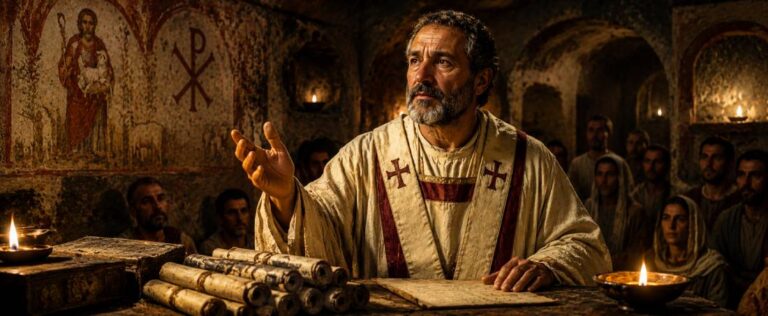
Pope Saint Hyginus
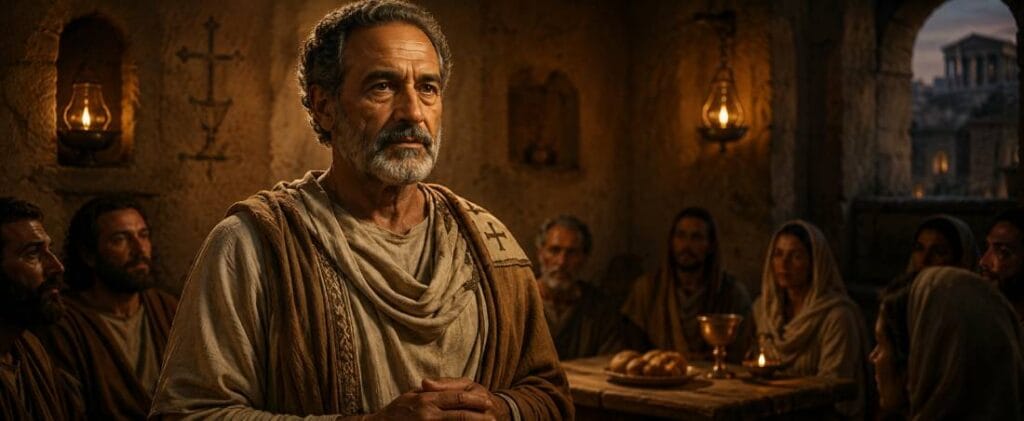
Saint Hyginus stands among the courageous early popes who guided the Catholic Church during one of the most fragile periods in Christian history. Serving as Bishop of Rome during the second century, he led believers while Christianity was still illegal in the Roman Empire and vulnerable to persecution, division, and false teachings.
Though historical records about Pope Hyginus are limited, his spiritual legacy remains deeply meaningful. Catholics remember him as a faithful shepherd who defended Church order, preserved apostolic tradition, and strengthened the unity of believers during difficult times. His papacy reminds modern Catholics that holiness is often lived quietly through fidelity, humility, and perseverance.
In an age when the Church was still emerging from the shadows of persecution, Saint Hyginus helped lay foundations that would shape Catholic life for centuries to come.
Early Life and Background
Very little is historically certain about the early life of Saint Hyginus. Ancient sources, including the Liber Pontificalis, describe him as a Greek from Athens. He likely grew up in a world heavily influenced by Greek philosophy, Roman political culture, and the growing spread of Christianity throughout the Mediterranean region.
The second century was a critical period for the Church. Many Christians still worshiped secretly in homes and catacombs, while bishops and priests worked carefully to preserve apostolic teaching passed down from the Apostles themselves. It is believed that Hyginus received strong religious formation within these early Christian communities.
Although details of his priesthood are not preserved, his later role as pope suggests that he was respected for wisdom, theological soundness, and personal holiness. The early Church valued leaders who could defend the faith against heresy while also caring for persecuted believers. Hyginus appears to have possessed both qualities.
His spiritual development was formed in an era when Christians often faced social rejection, imprisonment, and even death for their faith in Jesus Christ. This environment shaped leaders whose courage was rooted deeply in prayer and trust in God.
Election to the Papacy
Saint Hyginus became pope around 136 AD following the death of Pope Saint Telesphorus. His election occurred during the reign of Roman Emperor Hadrian or possibly the early reign of Antoninus Pius, depending on chronological estimates from ancient sources.
The Church at this time was still relatively small but rapidly growing throughout the Roman Empire. Christians faced ongoing suspicion because they refused to worship pagan gods or recognize the emperor as divine. Although widespread empire-wide persecution was not constant during Hyginus’ papacy, local hostility toward Christians remained dangerous.
Another major challenge came from internal doctrinal confusion. Various Gnostic groups were spreading teachings that distorted Christian doctrine. Some denied the true humanity of Christ, while others promoted secret knowledge as the path to salvation rather than faith in the Gospel.
Hyginus was chosen to lead because the Church needed a stable and faithful guardian of apostolic tradition. The Bishop of Rome already held an important role in preserving unity among Christian communities, and Hyginus continued that mission with careful pastoral leadership.
Papacy and Leadership
Strengthening Church Structure
One of the traditions associated with Saint Hyginus is the further organization of the clergy and ecclesiastical hierarchy. Early Christian communities were growing rapidly, and clear structures became increasingly necessary to preserve order and sacramental integrity.
Ancient accounts suggest that Hyginus contributed to defining roles within the clergy and strengthening regulations concerning Church discipline. Although historians recognize that some later records may contain embellishments, his papacy is consistently associated with promoting order within the Church.
Defending Orthodoxy Against Heresy
During the second century, the Church faced significant theological threats from Gnostic teachers such as Valentinus and Cerdo, both of whom are connected by ancient writers to Rome during this era.
Gnosticism challenged essential Christian beliefs by teaching that salvation came through hidden knowledge rather than through Christ, His Cross, and the sacraments. These movements often distorted the nature of Jesus and rejected the goodness of creation.
Saint Hyginus helped protect the faithful by preserving apostolic teaching and maintaining unity around authentic Christian doctrine. His leadership contributed to the Church’s ongoing defense of orthodoxy during one of its formative periods.
Pastoral Leadership During Persecution
Though not remembered primarily as a martyr pope, Hyginus still governed the Church in an atmosphere of uncertainty and fear. Christians often lived cautiously, gathering quietly for worship and prayer.
As pope, Hyginus encouraged believers to remain steadfast in faith despite pressure from Roman society. His leadership reflected the quiet endurance that characterized many early Christian shepherds.
Guardian of Apostolic Tradition
The early popes carried a profound responsibility: preserving the teachings handed down from the Apostles. Saint Hyginus understood that unity with apostolic tradition protected the Church from division and error.
His papacy helped maintain continuity between the Apostolic Age and the growing worldwide Church. Through fidelity and discipline, he strengthened the foundations of Catholic identity for future generations.
Prayer Life and Spirituality
Although no personal writings of Saint Hyginus survive, the witness of the early Church allows Catholics to understand the spiritual atmosphere that shaped his life.
Like many early Christian leaders, Hyginus almost certainly lived a disciplined life centered on prayer, fasting, the Eucharist, and devotion to Christ. Early bishops frequently gathered with believers for the celebration of the Eucharist in hidden or humble settings, especially during times of danger.
His spirituality was likely marked by simplicity and courage rather than public grandeur. Early Christians viewed the bishop as both teacher and spiritual father, responsible for guiding souls toward holiness through personal example.
Saint Hyginus would have drawn strength from:
- Daily prayer rooted in the Psalms and apostolic teaching
- Deep reverence for the Eucharist
- Fidelity to the teachings received from the Apostles
- Sacrificial service to persecuted Christians
- Trust in Christ amid uncertainty
The spirituality of the early Church emphasized readiness for suffering, detachment from worldly power, and unwavering hope in eternal life. Hyginus embodied this spirit through faithful service during a dangerous era.
For Catholics today, Saint Hyginus offers a powerful reminder that holiness does not require fame or extensive writings. Quiet fidelity to Christ and steadfast devotion to the Church remain profound paths to sanctity.
Challenges and Trials
Saint Hyginus governed the Church during a period filled with both external and internal struggles.
Threat of Heresy
One of the greatest dangers facing the Church was the spread of false teachings. Gnostic movements confused believers and attempted to reshape Christianity according to philosophical speculation rather than apostolic revelation.
Hyginus responded by preserving unity and defending orthodox teaching. His efforts helped strengthen the Church against doctrinal fragmentation.
Roman Hostility Toward Christians
Christianity remained illegal in many parts of the Roman Empire. Christians were often misunderstood, accused falsely, or pressured to participate in pagan religious practices.
Though there is no certain historical evidence that Hyginus died as a martyr, he lived under the constant shadow of persecution. The courage required to lead the Church during such conditions reflected deep spiritual conviction.
Limited Resources and Growing Communities
The Church of the second century lacked the institutional strength it would later develop. Early bishops worked with limited resources while guiding scattered Christian communities across vast regions.
Hyginus helped maintain stability and order despite these limitations, strengthening the foundations of Church governance during a critical period of growth.
Death and Legacy
Saint Hyginus died around 140 AD in Rome after serving the Church for approximately four years. Ancient traditions sometimes referred to him as a martyr, but modern historical scholarship does not definitively confirm martyrdom.
He was buried in Rome, likely near the tomb of Saint Peter, alongside other early popes who preserved the faith during Christianity’s earliest centuries.
The Church venerates him as a saint because of his faithful witness, pastoral leadership, and dedication to preserving apostolic tradition. His feast day is celebrated on January 11.
Though historical details about his life remain limited, his influence endured through the stability and continuity he helped provide to the early Church. Future generations of Christians benefited from the structures, discipline, and doctrinal unity preserved during his papacy.
Saint Hyginus remains an example of quiet holiness — a pope who served faithfully not through worldly power, but through steadfast commitment to Christ and His Church.
Lessons Catholics Can Learn Today
- Remain faithful to authentic Catholic teaching even when society promotes confusion
- Understand that holiness is often lived quietly through daily fidelity
- Stay rooted in prayer and the sacraments during difficult times
- Defend Church unity with charity and truth
- Trust Christ even when the future feels uncertain
- Value the importance of apostolic tradition and Church authority
- Persevere courageously through trials and opposition
Conclusion
Saint Hyginus may not be among the most widely known popes in Catholic history, yet his witness remains deeply important for the Church today. In a time of persecution, doctrinal confusion, and uncertainty, he guided the faithful with courage, humility, and steadfast devotion to apostolic truth.
His life reminds Catholics that the strength of the Church is not built merely through influence or recognition, but through faithful service rooted in Christ. Through prayer, perseverance, and trust in God, Saint Hyginus helped preserve the unity of the early Church during one of its most vulnerable moments.
As Catholics reflect on his example, they are encouraged to deepen their own prayer life, remain faithful to authentic doctrine, and live courageously for Christ in every generation.
Related Popes