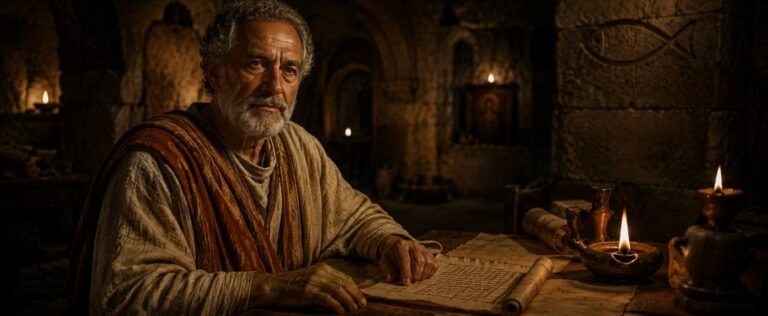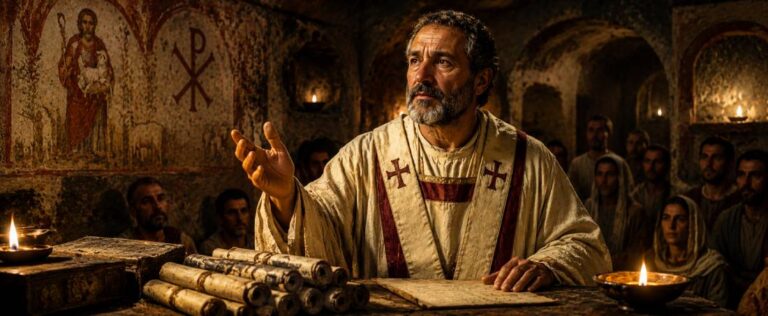
Pope Saint Zephyrinus
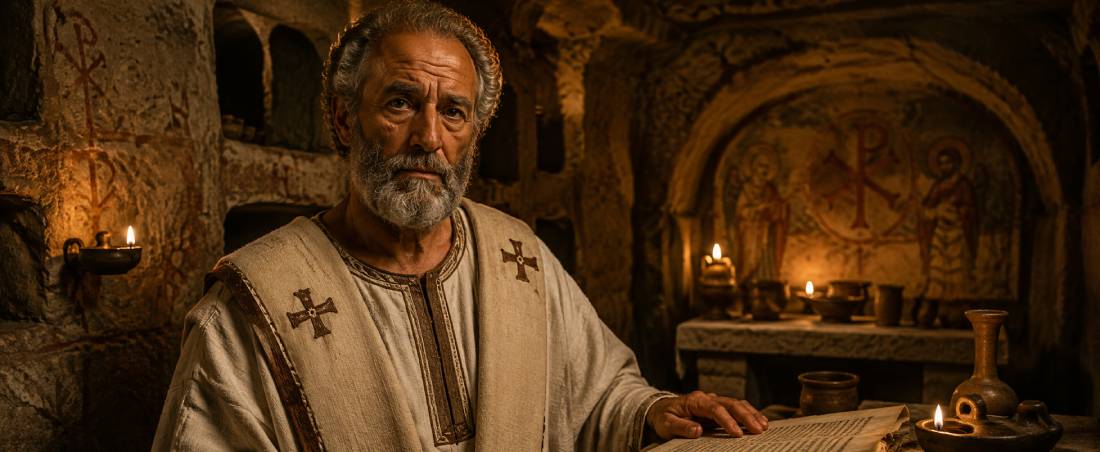
Saint Zephyrinus served the Catholic Church during one of the most unstable and dangerous periods in Christian history. Leading the Church from approximately 199 to 217 AD, he guided believers through persecution, theological confusion, and internal division while remaining deeply committed to preserving unity in the Body of Christ.
Though some critics in his own time viewed him as simple or politically weak, the Church remembers Saint Zephyrinus very differently. His papacy reflected humility, pastoral patience, and a profound desire to protect ordinary Christians from division and spiritual harm. In an age when Christians could lose their lives for professing faith in Christ, Zephyrinus stood as a steady spiritual father who kept the Church united around the truth of the Gospel.
His life continues to inspire Catholics today because he reminds the faithful that holiness is not always expressed through intellectual brilliance or political power. Sometimes true sanctity is revealed through perseverance, mercy, and unwavering trust in God during turbulent times.
Early Life and Background
Very little historically certain information survives regarding the early life of Saint Zephyrinus. Like many Early Church popes, records from this era are limited due to persecution and the fragile condition of Christian communities under Roman rule.
It is believed that Zephyrinus was born within the Roman world during the second century. He likely grew up during a time when Christianity remained illegal throughout the empire. Christians often worshiped quietly in homes or catacombs while facing suspicion from Roman authorities.
Before becoming pope, Zephyrinus almost certainly served the Church as a priest or deacon in Rome. His spiritual formation would have centered on apostolic teaching, liturgical worship, prayer, fasting, and fidelity to Christ under persecution. The Christian community in Rome valued leaders who demonstrated holiness, humility, and courage rather than worldly influence.
Historical writings suggest that Zephyrinus was not regarded as a sophisticated theologian compared to some of his contemporaries. However, his pastoral instincts and desire to preserve unity among believers became defining characteristics of his leadership.
His close relationship with the future Pope Callixtus I also shaped his ministry. Zephyrinus entrusted Callixtus with administrative and charitable responsibilities, especially concerning Christian burial grounds and the care of the faithful in Rome.
Election to the Papacy
Saint Zephyrinus became pope around the year 199 AD following the death of Pope Victor I. The Church at that time faced enormous pressures both externally and internally.
Externally, Christians continued to endure persecution from Roman authorities. While periods of violence fluctuated depending on the emperor and local governors, Christians were still vulnerable to imprisonment, confiscation of property, exile, and execution.
Internally, the Church struggled with serious doctrinal controversies. Various theological groups debated the nature of Christ, the Trinity, and the relationship between God the Father and Jesus Christ. Some teachings drifted into dangerous heresies that threatened the unity of Christian belief.
Zephyrinus was elected because the Church needed a pastor capable of maintaining stability during division and uncertainty. His leadership style focused less on philosophical argumentation and more on protecting communion within the Church.
The Roman Christian community looked to him as a spiritual father who could preserve peace while defending authentic apostolic faith.
Papacy and Leadership
Defending the Church During Doctrinal Conflict
One of the greatest challenges during Saint Zephyrinus’ papacy involved theological disputes surrounding the identity of Christ and the Trinity.
Certain groups promoted teachings that either separated Christ too radically from the Father or blurred the distinction between the Persons of the Trinity. These controversies became deeply divisive within the Christian community.
Zephyrinus attempted to preserve orthodoxy while also maintaining unity among believers. He rejected teachings that denied the true divinity or humanity of Christ, even while trying to avoid unnecessary schism.
His cautious and pastoral approach frustrated some theologians, especially Hippolytus of Rome, who criticized Zephyrinus sharply. Hippolytus accused him of theological weakness and poor leadership. These disputes eventually contributed to one of the earliest internal divisions within the Roman Church.
Despite criticism, Zephyrinus consistently sought reconciliation rather than escalation.
Relationship with Callixtus
Saint Zephyrinus relied heavily on his trusted adviser Callixtus, who later succeeded him as pope. Callixtus managed several practical affairs of the Roman Church, including Christian cemeteries and charitable responsibilities.
The famous Catacomb of Callixtus became associated with this period of Christian history and served as an important burial place for martyrs and popes.
Zephyrinus recognized the importance of pastoral care for ordinary Christians. Under his leadership, the Church continued supporting widows, the poor, persecuted believers, and families suffering because of their faith.
Leadership Through Mercy
One of the defining features of Zephyrinus’ papacy was mercy. Rather than governing through harshness, he emphasized patience and pastoral understanding.
This approach sometimes drew criticism from stricter factions within the Church. Yet his leadership reflected Christ’s compassion toward sinners and struggling believers.
Zephyrinus understood that Christians living under persecution needed spiritual encouragement, sacramental life, and unity more than endless public conflict among Church leaders.
Prayer Life and Spirituality
Although no personal writings from Saint Zephyrinus survive, the witness of his papacy reveals a deeply spiritual man rooted in prayer and pastoral care.
As pope during a dangerous era, Zephyrinus would have lived with constant awareness that persecution could intensify at any moment. Such circumstances demanded deep reliance on Christ and confidence in eternal life.
His spirituality centered on preserving communion within the Church. He understood the Church not merely as an institution but as the living Body of Christ united through the Eucharist, apostolic teaching, and sacramental grace.
The Eucharist likely stood at the center of his daily spiritual life. Early Christians treasured the Mass as the source of courage and unity amid persecution. Zephyrinus encouraged believers to remain faithful to sacramental worship despite fear and hardship.
His pastoral patience also reflected profound Christian humility. Rather than seeking personal glory, he carried the burdens of division quietly while striving to protect the faithful from deeper conflict.
Catholics today can see in Saint Zephyrinus a model of spiritual fatherhood marked by:
- patience during conflict
- fidelity amid criticism
- trust in Christ during uncertainty
- devotion to Church unity
- mercy toward struggling believers
His life reminds the faithful that holiness often appears through quiet perseverance rather than dramatic public achievement.
Challenges and Trials
Saint Zephyrinus governed the Church during a period filled with tension and suffering.
Theological Division
The greatest internal challenge of his papacy involved theological controversy. Disputes concerning the Trinity and the nature of Christ threatened to fracture the Christian community in Rome.
Hippolytus became one of Zephyrinus’ fiercest critics. He accused the pope of doctrinal confusion and excessive leniency. These disagreements contributed to serious division within the Church and foreshadowed later schisms.
Zephyrinus responded not with vengeance but with patience and pastoral caution.
Roman Persecution
Although Zephyrinus was not martyred, Christians during his reign still faced danger throughout the Roman Empire. Public profession of Christianity could bring arrest, imprisonment, or death.
The pope had to guide believers spiritually while helping preserve the Church under hostile political conditions.
Burden of Leadership
Leading the Early Church required immense courage. Zephyrinus carried the weight of doctrinal disputes, criticism from influential theologians, and the responsibility of protecting persecuted Christians.
His endurance through these trials demonstrated deep faith and spiritual resilience.
Death and Legacy
Saint Zephyrinus died in Rome on December 20, 217 AD after serving as pope for approximately eighteen years.
He was buried on the Appian Way in a papal burial chamber associated with the early Roman Church. Christians honored him as a faithful shepherd who protected unity during one of Christianity’s most vulnerable periods.
Although later historians sometimes repeated criticisms from Hippolytus, the Catholic Church ultimately recognized Zephyrinus as a saint because of his faithful service, perseverance, and pastoral charity.
His successor, Pope Callixtus I, continued many of the pastoral approaches established during Zephyrinus’ papacy.
Today, Saint Zephyrinus remains an important witness to the challenges faced by the Early Church. His life illustrates how humility, patience, and trust in God can sustain the Church through doctrinal confusion and external hostility.
His feast day is celebrated on December 20.
Lessons Catholics Can Learn Today
- Remain faithful to Christ even during confusion and division
- Protect unity within the Church whenever possible
- Practice mercy alongside truth
- Trust God during periods of criticism or misunderstanding
- Stay rooted in prayer and sacramental life during hardship
- Lead with humility rather than pride
- Persevere patiently through trials and uncertainty
Conclusion
Saint Zephyrinus may not be remembered as the most intellectually famous pope of the Early Church, but his quiet holiness and pastoral faithfulness left a lasting mark on Catholic history.
He shepherded the Church through persecution, doctrinal conflict, and internal division without abandoning mercy or unity. His life demonstrates that true spiritual leadership often consists not in worldly brilliance but in steadfast fidelity to Christ and compassionate care for God’s people.
For Catholics today, Saint Zephyrinus offers a powerful example of patience, humility, and perseverance. In a world still marked by conflict and confusion, his witness encourages believers to remain firmly rooted in prayer, sacramental grace, and communion with the Church founded by Jesus Christ.
May the example of Saint Zephyrinus inspire all Christians to pursue holiness with courage, peace, and unwavering trust in God.