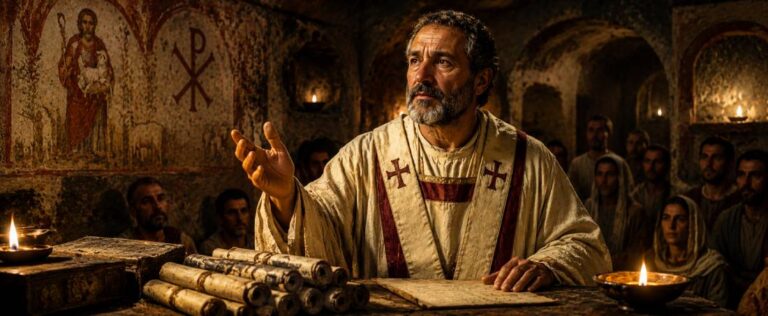
Pope Saint Pius I
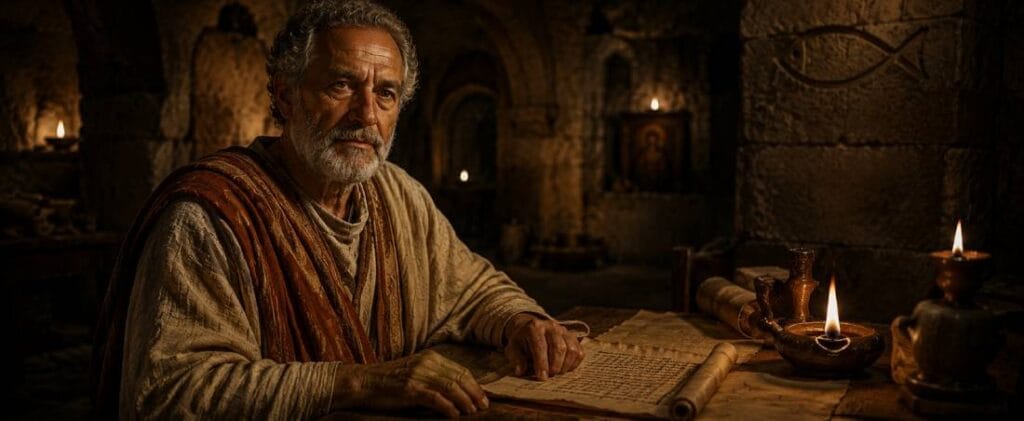
Saint Pius I stands as one of the courageous shepherds of the early Catholic Church, guiding Christians through a period marked by persecution, theological conflict, and rapid growth. Serving as Bishop of Rome during the mid-second century, he protected the integrity of the Christian faith while helping strengthen the unity of believers throughout the Roman world.
Though much about his life remains historically uncertain, Saint Pius I is remembered for his steadfast defense of apostolic teaching and his commitment to preserving the truth handed down from the Apostles. His papacy unfolded during a time when Christianity was still vulnerable, misunderstood, and often opposed by Roman society.
For Catholics today, Saint Pius I remains a powerful example of spiritual courage, pastoral fidelity, and unwavering trust in Christ amid confusion and adversity.
Early Life and Background
Historical information regarding the early life of Saint Pius I is limited, as was common for many second-century Christian leaders. According to ancient tradition, he was born in Aquileia in northern Italy, then part of the Roman Empire. Some early Christian sources identify him as the brother of Hermas, traditionally associated with The Shepherd of Hermas, one of the most influential Christian writings outside the New Testament during the early Church period.
Pius likely grew up in a Christian environment shaped by prayer, Scripture, apostolic teaching, and the constant awareness of persecution. Christianity during this era was not socially accepted, and believers often practiced their faith discreetly.
His religious formation would have centered on:
- Apostolic preaching passed orally through bishops and presbyters
- Eucharistic worship in house churches
- Fasting and communal prayer
- Care for the poor and suffering
- Fidelity to Christ despite danger
Though details about his priesthood are unknown, his later election as pope indicates that he was widely respected for wisdom, doctrinal clarity, and spiritual maturity.
The early Church needed leaders capable of defending authentic Christianity while offering pastoral care to fragile Christian communities. Saint Pius I emerged as one of those trusted shepherds.
Election to the Papacy
Saint Pius I succeeded Pope Saint Hyginus around 140 AD during the reign of Roman Emperor Antoninus Pius. Although this period was somewhat less violent than earlier persecutions, Christians still faced suspicion, social discrimination, and occasional local persecution.
The Church itself was growing steadily throughout the Roman Empire, attracting converts from both Jewish and pagan backgrounds. However, this rapid growth also created doctrinal challenges.
One of the greatest threats facing Christians during this time was Gnosticism — a collection of movements that distorted Christian teaching by blending elements of Greek philosophy, mysticism, and secret knowledge. Various Gnostic teachers, including Valentinus and Marcion, were active during the reign of Saint Pius I.
Pius was chosen to lead the Church because of his reputation for stability, orthodoxy, and pastoral wisdom. The Bishop of Rome increasingly served as a central figure for preserving unity among Christian communities, and Saint Pius embraced that responsibility during a critical era of doctrinal formation.
Papacy and Leadership
Defending the Faith Against Heresy
One of the defining aspects of Saint Pius I’s papacy was his defense of orthodox Christianity against dangerous theological errors.
Marcion, one of the most influential heretics of the second century, promoted teachings that rejected the Old Testament and distorted the identity of Jesus Christ. According to ancient Christian writers, Marcion arrived in Rome during or near the pontificate of Pius I and was eventually excommunicated for spreading false doctrine.
Saint Pius I helped safeguard apostolic teaching by preserving unity around authentic Christian belief. His leadership contributed to the Church’s growing clarity regarding Scripture, doctrine, and the continuity between the Old and New Testaments.
Strengthening Church Discipline
As Christianity expanded, maintaining order within Christian communities became increasingly important. Ancient traditions associate Saint Pius I with reinforcing ecclesiastical discipline and strengthening the organization of the Roman Church.
Though historical details remain sparse, his papacy reflects the broader effort of the early Church to establish clear leadership structures centered on bishops, priests, and deacons.
Guiding a Growing Church
The mid-second century was a period of missionary expansion and spiritual growth. Christian communities were spreading throughout the empire despite social hostility and legal uncertainty.
Saint Pius I provided pastoral leadership during this transformative era. His governance helped preserve unity among believers while encouraging fidelity to the teachings received from the Apostles.
Witness Through Humility
Unlike later medieval or Renaissance popes associated with political influence, Saint Pius I served during a time when Christian leaders possessed little worldly power. His authority came through holiness, fidelity, and sacrificial service.
This humble model of leadership became a defining characteristic of the early saint popes.
Prayer Life and Spirituality
The spirituality of Saint Pius I was deeply rooted in the sacramental and communal life of the early Church. Though no personal writings survive, the spiritual practices of second-century Christianity provide insight into the type of holiness that shaped his life.
Prayer in the early Church centered around:
- The Eucharist
- Scripture readings
- Psalms and hymns
- Fasting and penance
- Communal worship
- Expectation of eternal life in Christ
Saint Pius I likely spent much of his life encouraging persecuted Christians, celebrating the sacraments, and preserving unity through pastoral care.
Eucharistic Devotion
The Eucharist stood at the heart of Christian identity during the second century. Early believers often risked persecution simply by gathering for worship.
As Bishop of Rome, Saint Pius I would have viewed the Eucharist not only as worship, but as the living presence of Christ strengthening believers amid suffering and uncertainty.
Holiness Through Fidelity
The holiness of Saint Pius I appears less through dramatic public acts and more through steadfast fidelity. He defended truth when confusion spread, protected unity when division threatened the Church, and guided believers with spiritual courage.
His life demonstrates that sanctity often grows through perseverance in ordinary responsibilities carried out with extraordinary faith.
Spiritual Example for Catholics Today
Modern Catholics can look to Saint Pius I as an example of:
- Fidelity to authentic doctrine
- Courage during cultural opposition
- Deep trust in Christ
- Perseverance amid confusion
- Humble pastoral service
His witness reminds believers that truth and charity must always remain united within the life of the Church.
Challenges and Trials
The Rise of Gnostic Movements
One of the greatest challenges during the papacy of Saint Pius I was the spread of Gnostic teachings. These movements claimed salvation came through secret knowledge rather than through Christ, His Cross, and the sacraments.
Such ideas threatened the unity and doctrinal integrity of the Church. Pius responded by preserving apostolic teaching and defending orthodox belief.
The Marcionite Controversy
Marcion’s teachings created significant division among Christians. By rejecting the Old Testament and altering Christian doctrine, he challenged the continuity of salvation history.
The Church’s response during this period helped strengthen the development of biblical canon and doctrinal clarity. Saint Pius I played an important role in maintaining unity against these errors.
Living Under Roman Suspicion
Though not subjected to a major empire-wide persecution, Christians remained vulnerable throughout the Roman Empire. Local hostility could erupt unexpectedly, and Christian worship was still viewed with suspicion.
Saint Pius I led the Church with calm spiritual confidence during these uncertain conditions.
Death and Legacy
Saint Pius I died around 155 AD in Rome after approximately fifteen years as pope. Earlier traditions sometimes regarded him as a martyr, but modern historical scholarship does not definitively confirm martyrdom.
He was buried in Rome, near the resting places of other early bishops of the Church who safeguarded Christianity during its formative centuries.
The Church honors him as a saint because of his holiness, leadership, and unwavering defense of apostolic truth. His feast day is celebrated on July 11.
Saint Pius I left behind an enduring legacy:
- Strengthening doctrinal unity
- Defending Christianity from heresy
- Preserving apostolic tradition
- Guiding the Church during early expansion
His papacy helped prepare the Church for future doctrinal development while preserving the integrity of the Christian faith during one of its most vulnerable periods.
Lessons Catholics Can Learn Today
- Remain faithful to authentic Catholic teaching
- Defend truth with charity and humility
- Stay rooted in prayer and the sacraments
- Persevere during confusion or opposition
- Trust Christ even when society rejects Christian values
- Support unity within the Church
- Recognize that holiness often grows quietly through faithful service
Conclusion
Saint Pius I served the Catholic Church during a decisive moment in Christian history. In an age of uncertainty, persecution, and false teaching, he remained a faithful guardian of apostolic truth and a compassionate shepherd to believers.
His life reminds Catholics that the Church has endured challenges from the very beginning, yet Christ continues to guide His people through faithful leaders rooted in prayer, courage, and truth.
The witness of Saint Pius I encourages modern believers to remain steadfast in faith, devoted to the sacraments, and united to the Church founded by Christ. Through quiet perseverance and unwavering trust in God, he helped preserve the light of Christianity for future generations.
Related Popes