Pope Saint Telesphorus

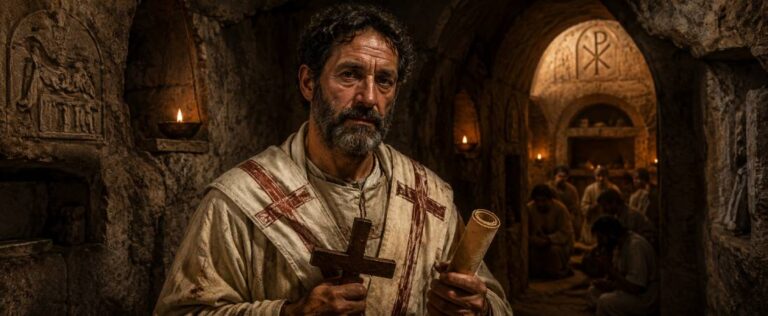
Saint Telesphorus remains one of the most courageous and spiritually significant popes of the early Catholic Church. Serving during a dangerous period of Roman persecution, he guided Christians with humility, prayer, and unwavering fidelity to Christ. Though much about his life has been lost to history, the memory of his holiness endured so strongly that even the ancient Church Fathers honored him as a martyr and faithful shepherd.
Saint Telesphorus lived in an era when becoming Christian could mean imprisonment, torture, or death. Yet he continued to strengthen the Church through prayerful leadership, devotion to sacred worship, and preservation of apostolic tradition. His witness reminds Catholics today that true spiritual leadership is rooted not in power or prestige, but in sacrificial love for Christ and His people.
The life of Saint Telesphorus continues to inspire believers to remain faithful during suffering, trust in God during uncertainty, and preserve the sacred traditions of the Church with reverence and courage.
Early Life and Background
The historical details surrounding the early life of Saint Telesphorus remain limited, as is common for many second-century popes. Ancient tradition identifies him as Greek by origin, and some early Christian sources suggest he may have lived as a hermit or ascetic before entering Church leadership.
He lived during the fragile decades following the Apostolic Age, when the Church was still forming its structures, liturgical practices, and theological identity. Christianity remained illegal within the Roman Empire, forcing believers to practice their faith carefully and often in secret.
Saint Telesphorus likely received strong spiritual formation centered on:
- Prayer and fasting
- Apostolic teaching
- Eucharistic worship
- Simplicity of life
- Endurance under persecution
The spirituality of the early Church deeply emphasized holiness, detachment from worldly comforts, and readiness for martyrdom. These values would later define his papacy.
As a priest and later bishop within the Roman Christian community, Telesphorus became known for his fidelity to Christ and devotion to preserving the unity of believers during difficult times.
Election to the Papacy
Saint Telesphorus succeeded Pope Saint Sixtus I around 125 AD as Bishop of Rome. The Church at this time faced ongoing uncertainty under Roman rule, particularly during the reign of Emperor Hadrian.
Although Hadrian was sometimes more moderate than earlier persecutors, Christianity still remained vulnerable to local hostility, legal punishment, and public suspicion. Christians were frequently accused of undermining Roman religious traditions because they refused pagan worship.
The Catholic Church also faced internal challenges. As Christianity spread across different regions, maintaining doctrinal consistency and unity became increasingly important. The pope served as a visible center of communion among the growing Christian communities.
Saint Telesphorus was likely chosen because of his reputation for holiness, discipline, wisdom, and spiritual courage. His ascetical background and commitment to apostolic tradition made him a trustworthy shepherd during a period of instability and fear.
Papacy and Leadership
Strengthening Early Christian Worship
Saint Telesphorus is remembered in ancient Church tradition for helping strengthen certain liturgical and devotional customs within the early Christian community. Historical certainty regarding every attributed reform remains debated among scholars, yet the traditions associated with him reflect the Church’s longstanding memory of his pastoral influence.
Ancient sources connect his papacy with:
- Greater reverence surrounding the Christmas liturgy
- Continued development of fasting and penitential practices
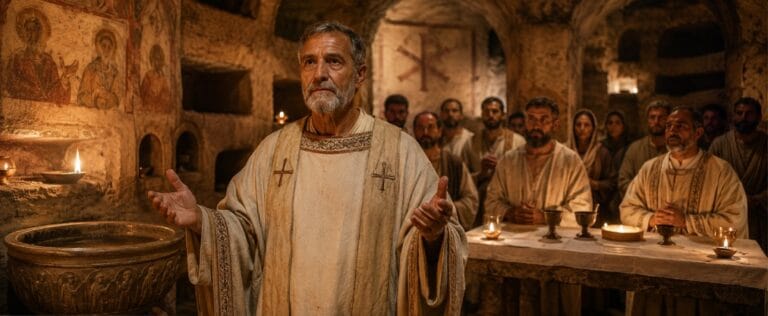
- Promotion of sacred worship centered on the Eucharist
Some traditions associate him with encouraging the celebration of Mass during the night before Christmas, though historians acknowledge that the exact historical details remain uncertain.
Defender of Apostolic Unity
During the second century, preserving communion among scattered Christian communities remained essential. Saint Telesphorus helped maintain continuity with the teachings handed down from the Apostles.
The pope’s leadership provided spiritual stability during a time when communication between churches was difficult and Christians faced both external persecution and internal confusion.
Pastoral Leadership During Persecution
Saint Telesphorus led primarily through spiritual example rather than political authority. The Church possessed no worldly power during this period. Instead, bishops guided believers through:
- Personal holiness
- Prayer
- Sacramental ministry
- Charity toward the suffering
- Courage in the face of death
His faithful witness strengthened Christians who risked everything to remain loyal to Christ.
Prayer Life and Spirituality
The spirituality of Saint Telesphorus reflected the deep sacrificial faith of the persecuted early Church. Christians of his time understood discipleship as a total surrender to Christ, often lived under the constant threat of martyrdom.
Life of Prayer and Asceticism
Ancient traditions suggesting a hermit-like background indicate that Saint Telesphorus embraced a disciplined spiritual life centered on silence, prayer, fasting, and contemplation.
His spirituality likely included:
- Extended periods of prayer
- Frequent fasting
- Meditation on Sacred Scripture
- Eucharistic devotion
- Simplicity and detachment from material comforts
These practices helped strengthen both clergy and laity during uncertain times.
Eucharistic Devotion
For the early Christians, the Eucharist remained the center of spiritual life. Saint Telesphorus appears to have encouraged deep reverence for the sacred mysteries despite the dangers associated with Christian worship gatherings.
The Eucharist united believers spiritually even while persecution threatened their earthly security. His example reminds Catholics today that devotion to the Blessed Sacrament remains the heart of authentic Christian life.
Courage Rooted in Christ
The holiness of Saint Telesphorus was not built upon worldly success but upon fidelity during suffering. His prayer life formed the spiritual courage necessary to guide persecuted believers.
His witness continues to inspire Catholics to:
- Remain faithful during hardship
- Persevere in prayer
- Embrace sacrificial love
- Trust Christ amid fear and uncertainty
Challenges and Trials
Saint Telesphorus governed the Church during a period marked by instability and danger for Christians throughout the Roman Empire.
Roman Persecution
Christianity remained illegal, and believers often faced hostility from Roman authorities and surrounding society. Refusing to participate in pagan religious rituals could result in imprisonment or execution.
The pope himself lived under constant threat.
Defending the Church
The second century also brought doctrinal confusion and early heresies that threatened apostolic teaching. Church leaders like Saint Telesphorus worked carefully to preserve authentic Christian doctrine and maintain unity among believers.
Martyrdom
Unlike some earlier popes whose martyrdom traditions remain uncertain, Saint Telesphorus was honored by ancient Christian writers as a martyr. Saint Irenaeus specifically remembered him among the glorious martyrs of the Roman Church.
Though the exact details of his death are unknown, tradition holds that he died for the faith during persecution around 136 AD.
His martyrdom became a lasting testimony that Christ is worth every sacrifice.
Death and Legacy
Saint Telesphorus died around 136 AD in Rome after approximately eleven years as pope. The circumstances of his martyrdom were not extensively preserved, but the early Church strongly venerated him as one who gave his life for Christ.
He was buried in Rome and remembered with deep reverence by future generations of Christians. His name was preserved within ancient papal lists and honored by early theologians and historians.
Lasting Influence
The legacy of Saint Telesphorus continues through:
- His example of courage during persecution
- His devotion to sacred worship
- His witness as an early martyr pope
- His preservation of apostolic unity
His papacy helped strengthen the spiritual identity of the early Catholic Church during one of its most vulnerable periods.
Inspiration for Catholics Today
Saint Telesphorus reminds modern believers that holiness is often forged through suffering, sacrifice, and perseverance. His life demonstrates that authentic Christian leadership flows from prayer, humility, and fidelity to Christ rather than worldly influence.
Lessons Catholics Can Learn Today
- Remain faithful to Christ even during fear and hardship
- Build a strong prayer life rooted in sacrifice and trust
- Approach the Eucharist with reverence and devotion
- Preserve unity within the Church
- Defend authentic Catholic teaching with charity and courage
- Live simply and avoid attachment to worldly comforts
- Trust God even when facing uncertainty or suffering
Conclusion
Saint Telesphorus stands as one of the heroic shepherds of the early Catholic Church — a pope who guided Christians through persecution with holiness, prayer, and unwavering courage. Though history preserves only fragments of his earthly life, his spiritual legacy continues to shine through the centuries.
His martyrdom reminds Catholics that the Church was built not through worldly power, but through the faith and sacrifice of those who loved Christ above all else. In an age often marked by confusion and fear, the witness of Saint Telesphorus calls believers to deeper prayer, stronger faith, and greater trust in God’s providence.
May his example inspire Catholics today to remain steadfast in devotion to Christ, faithful to the Church, and courageous in living the Gospel in every circumstance.
Related Popes