Pope Saint Linus
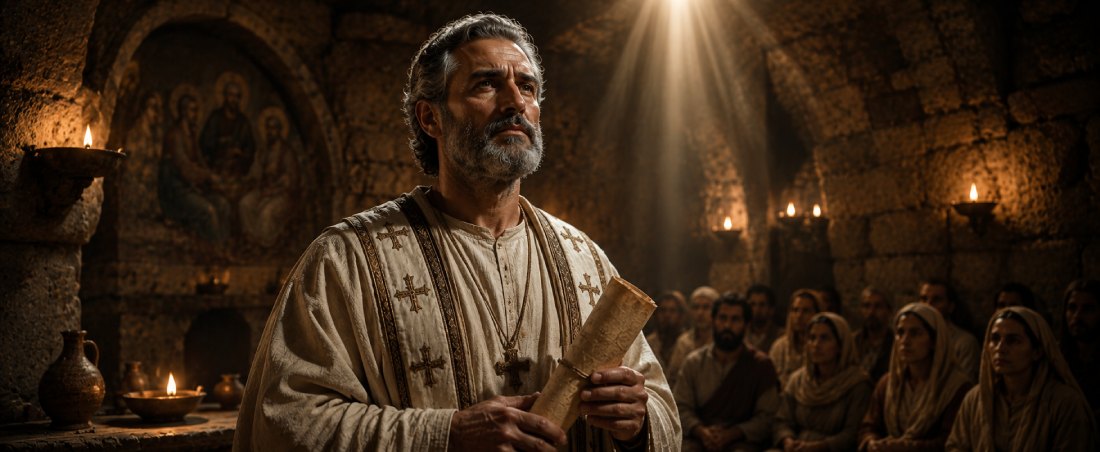
Saint Linus holds a unique and sacred place in Catholic history as the second Pope of the Catholic Church and the immediate successor of Saint Peter. Though little historical information survives about his life, the Church has honored him for centuries as a faithful shepherd who preserved the Christian community during one of the darkest periods of Roman persecution.
Living in the shadow of the Apostles, Saint Linus carried forward the mission entrusted by Christ to Saint Peter. At a time when Christians faced imprisonment, torture, and death, he provided spiritual leadership rooted in courage, prayer, and unwavering devotion to Jesus Christ. His papacy became a bridge between the Apostolic Age and the continuing life of the Church.
For Catholics today, Saint Linus remains a powerful reminder that holiness often grows quietly through faithfulness, perseverance, and obedience to God even amid suffering and uncertainty.
Early Life and Background
Very little is historically certain about the early life of Saint Linus. Ancient Christian tradition suggests he was born in Tuscany within the Roman Empire, though historians cannot confirm precise details regarding his family or upbringing.
Saint Irenaeus, one of the earliest Church Fathers, identified Linus as the man mentioned by Saint Paul in the Second Letter to Timothy:
“Eubulus sends greetings to you, as do Pudens and Linus and Claudia.” (2 Timothy 4:21)
If this identification is correct, Saint Linus personally knew Saint Paul and belonged to the earliest Christian generation formed directly by the Apostles themselves.
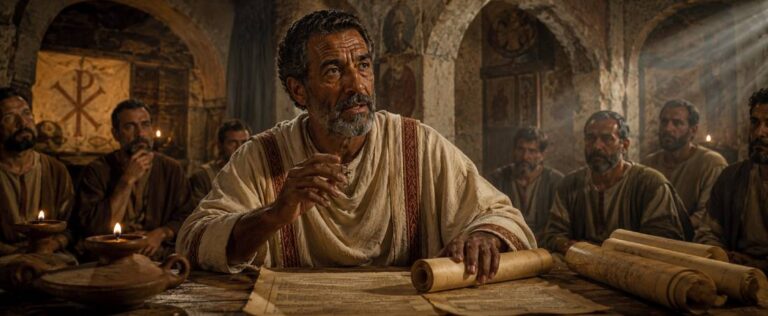
Linus likely received deep spiritual formation from the Apostolic community in Rome. He would have witnessed firsthand the sacrifices, preaching, Eucharistic worship, and missionary zeal that shaped the first Christians. During these early decades, Christianity remained illegal within the Roman Empire, forcing believers to gather secretly for prayer and the celebration of the sacraments.
His priestly ministry appears to have been marked by humility, loyalty, and steadfast service to the growing Roman Church. These qualities prepared him to guide Christians during a time of extraordinary danger.
Election to the Papacy
Saint Linus became Pope around AD 67 following the martyrdom of Saint Peter during the persecution of Emperor Nero. The Church in Rome faced enormous fear and instability after losing its chief shepherd. Christians were being falsely blamed for disasters and subjected to brutal executions.
The election of Linus represented continuity with the Apostolic mission established by Christ. Early Christians recognized the importance of preserving unity and faithful teaching after the deaths of Saint Peter and Saint Paul.
The Roman Church at this time had no political influence, no public churches, and no legal rights. The Pope served not from a palace but from hidden Christian communities threatened daily by persecution. Leadership required immense courage because becoming Pope often meant accepting the possibility of martyrdom.
Linus was likely chosen because of his close connection to the Apostles and his reputation for holiness and wisdom. His election reassured believers that the Church founded by Christ would continue despite violent opposition.
Papacy and Leadership
Preserving Apostolic Tradition
One of Saint Linus’ most important responsibilities was preserving the teachings handed down by Saint Peter and the Apostles. The early Church depended heavily on oral teaching, liturgical practice, and faithful transmission of doctrine.
Linus helped maintain unity among Christians scattered throughout Rome and surrounding regions. At a time when false teachings and confusion could easily spread, his leadership protected the integrity of apostolic Christianity.
Organizing the Early Church
Although historical records are limited, ancient sources suggest Saint Linus contributed to the developing structure of Church leadership in Rome. The Christian community was growing despite persecution, requiring greater organization among bishops, priests, and deacons.
Tradition also attributes to him regulations concerning modesty and reverence during worship, particularly regarding women covering their heads in church. While historians debate the precise origins of these practices, they reflect the early Church’s concern for sacred order and dignity in liturgical life.
Shepherding During Persecution
The greatest feature of Saint Linus’ papacy was his steadfast pastoral care during persecution. Christians lived under constant threat from Roman authorities. Public identification as a follower of Christ could lead to imprisonment or execution.
Despite these dangers, Linus encouraged believers to remain faithful to Christ, continue participating in the Eucharist, and preserve communion with the Church. His leadership strengthened the courage of countless Christians who faced suffering for the Gospel.
Prayer Life and Spirituality
The spirituality of Saint Linus was shaped directly by the Apostolic Church. His prayer life likely centered on the Eucharist, Scripture, fasting, and communal worship — the spiritual foundations of the earliest Christians.
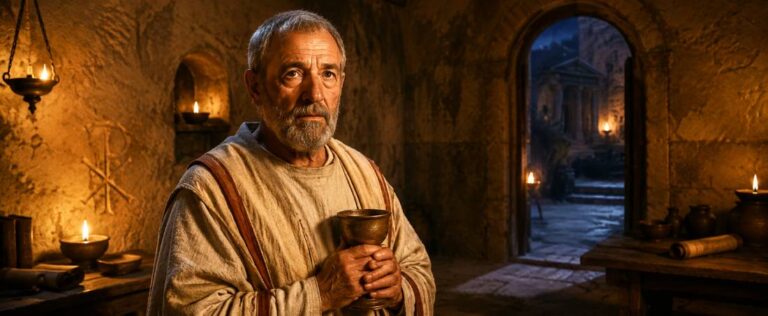
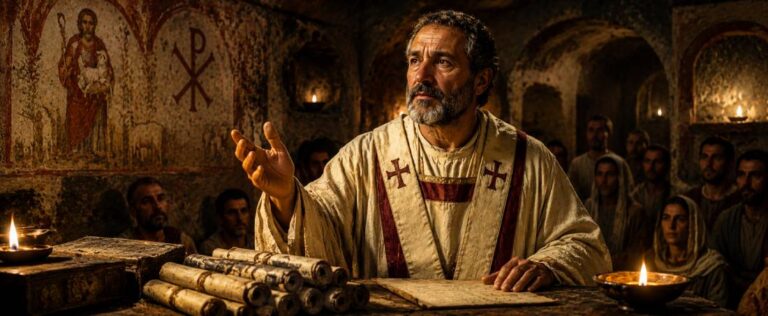
Living in a hostile pagan society required profound trust in God. Christians during his time often prayed in secret homes and catacombs, gathering quietly to celebrate the Holy Sacrifice of the Mass. Saint Linus would have drawn strength from these sacred gatherings centered on Christ’s Real Presence.
His spirituality reflected several important virtues:
Fidelity to Christ
Saint Linus remained faithful even when persecution threatened the survival of the Church. His courage demonstrated complete confidence in the promises of Christ.
Love for the Eucharist
The Eucharist stood at the heart of early Christian life. Linus understood that the Church’s strength came not from political power but from communion with Jesus Christ in the sacramental life.
Apostolic Obedience
As successor to Saint Peter, Linus carefully preserved the teachings handed down by the Apostles. His humility and obedience helped maintain unity within the Church.
Willingness to Suffer
The early Popes understood that discipleship often required sacrifice. Saint Linus embraced suffering with the hope of eternal life and the conviction that Christ had already conquered death.
For Catholics today, Saint Linus offers a timeless example of remaining faithful in difficult times, protecting the unity of the Church, and trusting God amid uncertainty.
Challenges and Trials
Saint Linus governed the Church during one of the most dangerous periods in Christian history. Emperor Nero’s persecution had created widespread fear among believers following the devastating fire of Rome in AD 64.
Christians were tortured, publicly executed, and blamed for social unrest. The Church lacked legal recognition and existed largely underground. Every bishop, priest, and Christian leader faced the constant threat of arrest.
Another major challenge involved preserving doctrinal unity after the deaths of key Apostles. The Church depended on faithful successors who could maintain authentic Christian teaching against confusion and division.
Tradition also holds that Saint Linus eventually suffered martyrdom for the faith, though historical documentation remains limited. The Church has long venerated him as a martyr who gave his life for Christ during the Roman persecutions.
Rather than abandoning his mission, Linus responded with courage, prayer, and steadfast pastoral care. His leadership demonstrated that the Church would survive not through worldly strength but through fidelity to Jesus Christ.
Death and Legacy
Saint Linus died around AD 76 in Rome. Ancient Christian tradition honors him as a martyr, though historians acknowledge that details surrounding his death remain uncertain.
He was buried near Saint Peter on Vatican Hill, a testimony to his close connection with the Apostolic foundation of the Roman Church. His name has been preserved for centuries within the Roman Canon of the Mass, one of the Eucharistic prayers of the Catholic Church. This enduring remembrance reflects the deep respect early Christians held for him.
Saint Linus was recognized as a saint by the early Church through ancient Christian veneration long before formal canonization processes existed. His feast day is celebrated on September 23.
His legacy continues through:
- The uninterrupted apostolic succession of the papacy
- His faithful preservation of Church unity
- His witness during persecution
- His role in strengthening the foundations of Catholic leadership
Though less widely known than later Popes, Saint Linus remains one of the essential figures who helped ensure the survival and continuity of Christianity after the Apostolic Age.
Lessons Catholics Can Learn Today
- Remain faithful to Christ even during hardship or opposition
- Protect unity within the Church through humility and obedience
- Build spiritual strength through prayer and the Eucharist
- Trust God when facing uncertainty or fear
- Preserve Catholic truth with courage and charity
- Remember that holiness often grows through quiet perseverance
- Stay rooted in Apostolic teaching and tradition
Conclusion
Saint Linus stands as a quiet yet heroic figure in the history of the Catholic Church. Serving immediately after Saint Peter, he carried the burden of leadership during a time of persecution, fear, and uncertainty. Through prayer, courage, and fidelity to Christ, he helped preserve the unity and mission of the early Church.
His life reminds Catholics that true greatness in the Church is not measured by fame or power but by faithful service to God. Saint Linus remained steadfast when the Christian faith faced deadly opposition, showing believers of every generation how to trust Christ completely.
In a modern world often filled with confusion and spiritual challenges, Catholics can look to Saint Linus as an example of perseverance, devotion, and unwavering commitment to the Gospel. His witness encourages all Christians to remain faithful to Christ, cherish the sacraments, and continue building the Church with courage and holiness.