Pope Saint Sixtus I

Saint Sixtus I stands among the early successors of Saint Peter who quietly but faithfully protected the growing Christian Church during one of the most dangerous periods in Catholic history. Though historical records from the second century remain limited, the memory of Saint Sixtus I has endured for centuries because of his devotion to preserving apostolic unity, sacred worship, and fidelity to Christ.
Leading the Church during the age of the Roman Empire was never easy. Christians faced suspicion, persecution, and constant uncertainty. Yet Saint Sixtus I helped strengthen the foundations of Catholic life through steady pastoral leadership and deep reverence for the sacred mysteries of the faith. His papacy reminds modern Catholics that holiness is often expressed not through worldly fame, but through quiet faithfulness to God amid hardship.
Today, Catholics continue to honor Saint Sixtus I as one of the early shepherds who safeguarded the Church during its formative years and passed down the faith received from the Apostles.
Early Life and Background
Very little historically certain information survives regarding the early life of Saint Sixtus I. Like many early popes of the second century, details concerning his childhood, family, and education were not extensively recorded. Ancient Church tradition generally identifies him as Roman by origin, though some historical sources suggest Greek ancestry may have been possible.
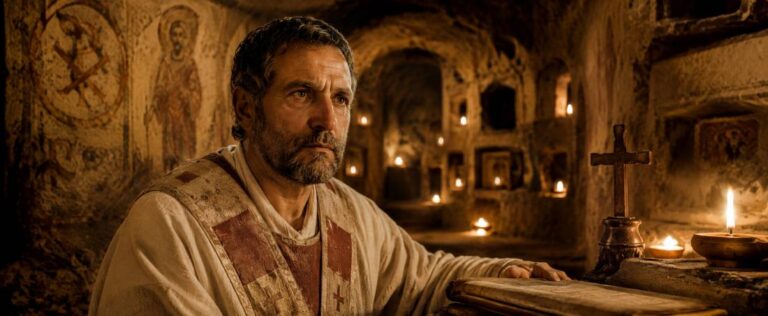
Saint Sixtus I lived during a time when Christianity was still largely underground within the Roman Empire. The Church had not yet gained legal recognition, and believers often gathered secretly in homes or hidden places to celebrate the Eucharist and pray together. Growing up within this environment likely shaped his spiritual discipline and deep awareness of the dangers facing Christians.
As a priest and later bishop within the Roman Church, Sixtus would have been formed directly by the living memory of the Apostles and their immediate disciples. The early Church remained intensely centered on prayer, fasting, Scripture, sacramental worship, and oral apostolic teaching. Bishops were expected not only to teach doctrine but also to protect the faithful from both persecution and false teachings.
His spiritual formation appears to have emphasized reverence, order, humility, and pastoral care — qualities that later defined his papacy.
Election to the Papacy
Saint Sixtus I became Bishop of Rome around 115 AD following the papacy of Pope Alexander I. The Church at that time remained small but steadily growing throughout the Roman Empire.
The political climate remained unstable for Christians. Although persecutions varied depending on local rulers and governors, Christians were often viewed with suspicion because they refused to worship Roman gods or recognize the emperor as divine. This refusal frequently led to imprisonment, violence, or execution.
The Church also faced internal challenges. Since Christianity was rapidly spreading across different regions and cultures, preserving doctrinal unity and liturgical consistency became increasingly important. The successors of Saint Peter carried the immense responsibility of maintaining communion among believers scattered throughout the empire.
Saint Sixtus I was likely chosen because of his reputation for spiritual wisdom, doctrinal reliability, and pastoral stability. His election reflected the early Church’s desire for a faithful shepherd capable of guiding Christians through uncertainty while preserving the sacred traditions handed down from the Apostles.
Papacy and Leadership
Guardian of Apostolic Tradition
One of the most important aspects of Saint Sixtus I’s papacy was his role in preserving apostolic continuity. During the second century, the Church was still developing its structures of governance and liturgical practice. The Bishop of Rome served as a vital point of unity for Christians throughout the empire.
Ancient traditions associated with Saint Sixtus I indicate that he promoted reverence in the celebration of the sacred liturgy. Some early sources attribute to him regulations concerning who could touch sacred vessels and how bishops from other regions should be received into communion with Rome. While historians debate the exact historical certainty of these traditions, they reflect the Church’s longstanding memory of him as a pope deeply concerned with sacred order and reverence.
Strengthening Liturgical Discipline
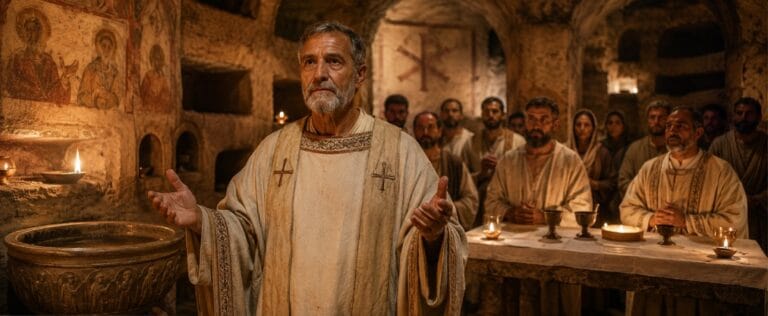
The early Church understood the Eucharist as the center of Christian life. Saint Sixtus I appears to have encouraged proper respect for the sacred mysteries at a time when Christian worship still took place under dangerous conditions.
This emphasis on liturgical reverence helped shape the identity of the early Catholic Church. Even amid persecution, the faithful were called to approach the sacraments with awe, purity, and devotion.
Leadership During Persecution
Unlike later eras with formal Vatican structures, the early popes led primarily through personal holiness, teaching, and pastoral encouragement. Saint Sixtus I guided Christians during a time when martyrdom remained a constant possibility.
His leadership likely included:
- Encouraging perseverance among persecuted Christians
- Supporting clergy serving underground Christian communities
- Protecting doctrinal unity
- Preserving apostolic teachings amid cultural pressures
Though historical documentation is limited, his long remembrance within the Church demonstrates the respect later generations held for his faithful service.
Prayer Life and Spirituality
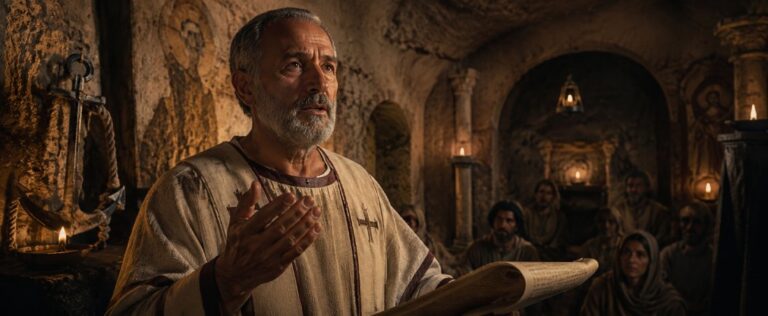
The spirituality of Saint Sixtus I was deeply rooted in the simplicity and sacrificial faith of the early Church. Christians of the second century lived with constant awareness that following Christ could cost them their lives. Prayer was not merely devotional — it was essential for survival and perseverance.
Saint Sixtus I likely spent long hours in prayer, fasting, and meditation upon the teachings handed down from the Apostles. Early bishops were expected to model lives of visible holiness and detachment from worldly ambition.
Eucharistic Devotion
The Eucharist stood at the center of Christian life during his papacy. The Mass was celebrated discreetly, often in homes or hidden gathering places. Saint Sixtus I’s concern for liturgical reverence reflects a profound belief in the Real Presence of Christ within the Eucharist.
His example reminds Catholics today that the sacred liturgy should never become casual or routine. Reverence before God remains one of the hallmarks of authentic Catholic spirituality.
Simplicity and Holiness
Unlike later popes surrounded by political influence or elaborate Vatican structures, Saint Sixtus I lived humbly within a persecuted Church community. His spirituality reflected:
- Simplicity of life
- Fidelity to apostolic teaching
- Courage under pressure
- Deep pastoral concern for believers
- Trust in Christ during uncertainty
Witness of Faith
The holiness of Saint Sixtus I was not expressed through grand public achievements but through steadfast faithfulness. He helped preserve the Church during a fragile period when Christianity could easily have fractured under pressure.
For Catholics today, his witness encourages:
- Perseverance during trials
- Reverence in worship
- Faithfulness to Church teaching
- Confidence in Christ amid uncertainty
Challenges and Trials
Saint Sixtus I governed the Church during a dangerous era for Christians within the Roman Empire. Though large empire-wide persecutions had not yet reached their later intensity, local outbreaks of violence and hostility remained common.
Christians were frequently accused of disloyalty to Rome because they refused pagan worship. This often isolated believers socially and politically.
Protecting Church Unity
One of the greatest challenges facing Saint Sixtus I was preserving unity among scattered Christian communities. Communication between churches remained difficult, and doctrinal misunderstandings could spread easily.
The pope’s role as successor to Saint Peter became increasingly important in maintaining communion and orthodoxy.
Threat of False Teachings
The second century also witnessed the spread of early heresies and distorted interpretations of Christian doctrine. Leaders like Saint Sixtus I worked to preserve authentic apostolic teaching against confusion and division.
Spiritual Response to Suffering
Rather than responding with fear or compromise, Saint Sixtus I appears to have emphasized prayer, reverence, discipline, and fidelity. His leadership reflected the conviction that the Church survives not through political power, but through faithfulness to Christ.
Although older traditions sometimes described him as a martyr, modern historical scholarship generally does not classify him as one with certainty.
Death and Legacy
Saint Sixtus I died around 125 AD in Rome after serving the Church for approximately a decade. The precise circumstances of his death remain uncertain due to limited surviving historical records from the period.
He was buried in Rome and honored by the early Christian community as a saint. His name was preserved within ancient Church traditions and early lists of the bishops of Rome, demonstrating the lasting respect held for him among early Christians.
Lasting Influence on the Church
The legacy of Saint Sixtus I lies primarily in his faithful preservation of apostolic continuity during Christianity’s vulnerable early generations.
His papacy helped:
- Strengthen unity within the Church
- Encourage reverence in liturgical worship
- Preserve apostolic traditions
- Provide stable pastoral leadership during persecution
Though history records few dramatic events from his reign, the quiet faithfulness of Saint Sixtus I helped ensure the survival and growth of the Catholic Church.
Future generations of Catholics would benefit from the stability and continuity safeguarded by early popes like him.
Lessons Catholics Can Learn Today
- Remain faithful to Christ even during cultural hostility
- Approach the Eucharist with deep reverence and humility
- Preserve unity within the Church
- Practice quiet holiness rather than seeking recognition
- Trust God during uncertain times
- Defend authentic Catholic teaching with charity and courage
- Build a strong prayer life rooted in Scripture and sacramental grace
Conclusion
Saint Sixtus I may not be among the most widely known popes in Catholic history, yet his faithful witness remains profoundly important. He guided the Church during one of its most fragile eras, preserving unity, reverence, and apostolic faith under the shadow of Roman persecution.
His life reminds Catholics that true greatness in the Church often appears through humble perseverance rather than worldly prominence. Through prayer, fidelity, and sacrificial leadership, Saint Sixtus I helped strengthen the foundations upon which generations of Christians would build their faith.
As Catholics reflect upon his example today, they are invited to deepen their love for the Eucharist, remain steadfast during trials, and trust that Christ continues to guide His Church through every age of history.
Related Popes