Pope Saint Anacletus
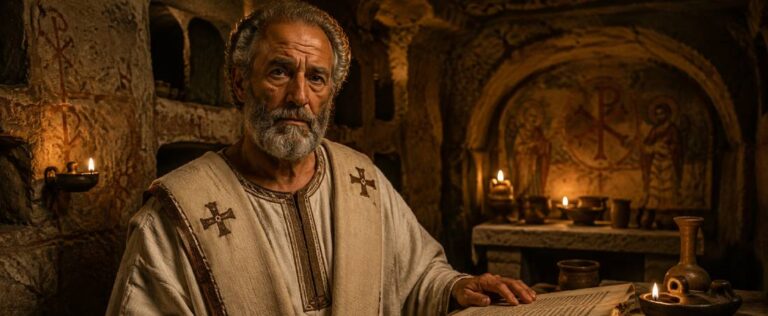
Saint Anacletus, also known as Cletus, occupies an important yet often overlooked place in Catholic history as the third Pope of the Catholic Church. Serving during the dangerous years following the martyrdoms of Saints Peter and Paul, he became a faithful guardian of the growing Christian community in Rome.
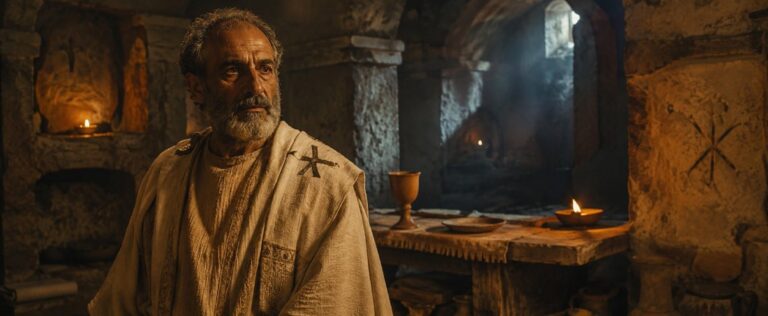
The early Church lived under constant threat from Roman authorities, and Christians often gathered secretly to pray, celebrate the Eucharist, and encourage one another in the faith. In this climate of fear and uncertainty, Saint Anacletus provided steady leadership rooted in apostolic tradition, sacramental devotion, and unwavering trust in Jesus Christ.
Though historical records from the first century remain limited, the witness of Saint Anacletus continues to inspire Catholics today. His life reminds believers that the Church survived not through political influence or worldly power, but through holy shepherds willing to suffer for Christ and faithfully protect His flock.
Early Life and Background
Very little reliable historical information survives regarding the early life of Saint Anacletus. Ancient Church sources sometimes refer to him as Anacletus and other times simply as Cletus, leading to centuries of scholarly discussion. The Catholic Church today generally recognizes these names as referring to the same individual.
Tradition suggests he may have been of Greek origin, though some sources associate him with Rome itself. Because Christianity remained illegal during this period, detailed records about early Christian leaders were rarely preserved.
Anacletus likely came into contact with Christianity through the Apostolic community founded by Saints Peter and Paul in Rome. He would have been formed spiritually through prayer, catechesis, Scripture, and participation in the Eucharistic life of the underground Church.
The earliest Christian communities emphasized simplicity, holiness, charity toward the poor, and total commitment to Christ. These spiritual foundations shaped Anacletus into a faithful servant capable of leading believers through one of the Church’s most fragile periods.
His priestly formation likely included close collaboration with the successors of Saint Peter, giving him firsthand experience in preserving apostolic teaching and pastoral care.
Election to the Papacy
Saint Anacletus became Pope around AD 76 following the death of Pope Saint Linus. The Church in Rome remained deeply affected by the persecutions initiated under Emperor Nero, and Christians still faced hostility and danger throughout the empire.
The papacy during the first century was not an office of privilege or public honor. Becoming Bishop of Rome meant accepting enormous personal risk, including the possibility of imprisonment and martyrdom.
Anacletus was chosen because of his reputation for holiness, loyalty to apostolic teaching, and pastoral leadership within the Christian community. Early Christians recognized the necessity of maintaining continuity with Saint Peter’s mission to preserve unity within the Church.
The Roman Christian population continued to grow despite persecution. Converts came from both Jewish and Gentile backgrounds, creating pastoral challenges that required wisdom, patience, and strong spiritual leadership.
As Pope, Saint Anacletus became a visible sign that the Church established by Christ would continue despite persecution, suffering, and the deaths of its earliest leaders.
Papacy and Leadership
Strengthening the Early Church
One of Saint Anacletus’ most important contributions was helping strengthen the structure of the Church in Rome. Ancient tradition credits him with organizing clergy and supporting the development of local Christian communities.
As Christianity expanded, greater pastoral coordination became necessary. Bishops, priests, and deacons served believers scattered throughout the city and surrounding regions. Anacletus worked to preserve order and unity within these growing communities.
Protecting Apostolic Succession
Saint Anacletus played a vital role in maintaining apostolic succession during a critical moment in Church history. The memory and teachings of the Apostles remained fresh, but the Church needed faithful leaders to preserve their doctrine accurately for future generations.
His papacy reinforced the authority of the Bishop of Rome as successor to Saint Peter. This continuity became essential for preserving unity within the universal Church.
Honoring Saint Peter’s Memory
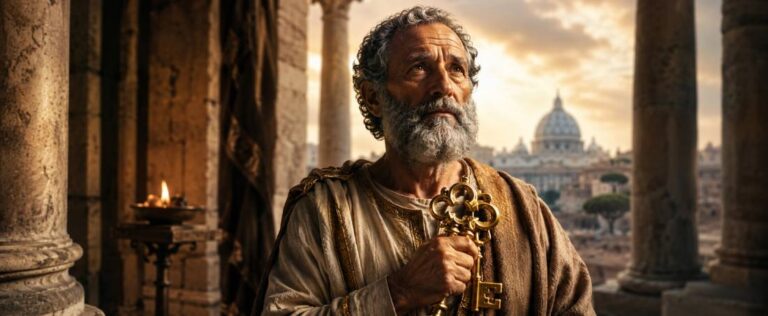
Ancient tradition also associates Saint Anacletus with developing memorial structures near the burial site of Saint Peter in Rome. While historical details remain uncertain, early Christians deeply venerated the tombs of martyrs and Apostles.
This devotion reflected the Church’s belief in the communion of saints and the sacred witness of those who gave their lives for Christ.
Pastoral Leadership Amid Fear
Anacletus guided Christians during years when public worship remained dangerous. Believers often gathered secretly in homes and hidden places to celebrate the Eucharist and hear the teachings of the Apostles.
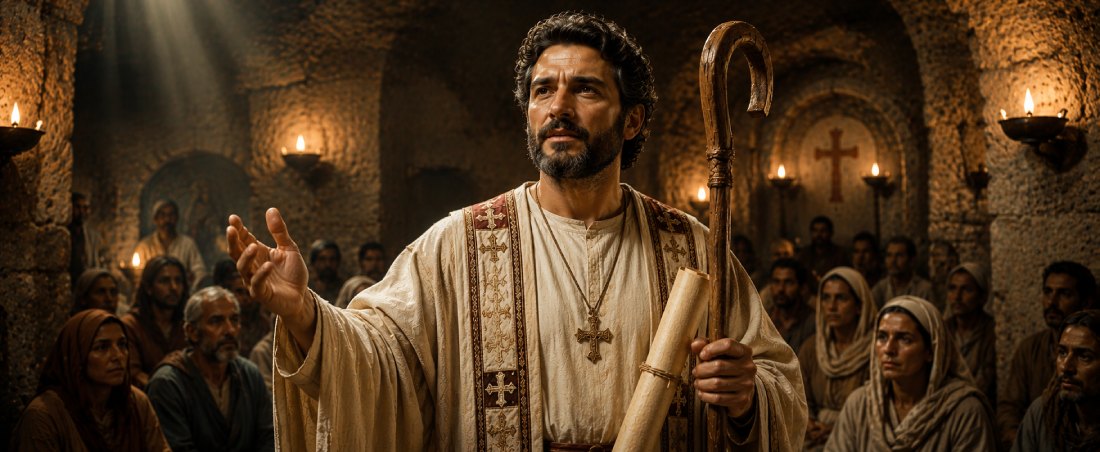
His pastoral leadership encouraged Christians to remain courageous, charitable, and faithful despite external threats. The endurance of the Church during this era owed much to leaders like Saint Anacletus who protected the spiritual life of the faithful.
Prayer Life and Spirituality
The spirituality of Saint Anacletus was deeply rooted in the Apostolic tradition handed down from the first disciples of Christ. His prayer life centered on the Eucharist, Scripture, fasting, communal worship, and sacrificial love.
Eucharistic Devotion
For the early Christians, the Eucharist was the center of life and worship. Saint Anacletus understood that the Church drew its strength from Christ truly present in the Blessed Sacrament.
Even amid persecution, Christians risked their lives to gather for the Holy Sacrifice of the Mass. The Pope’s devotion to the Eucharist strengthened believers facing fear and uncertainty.
Life of Prayer and Sacrifice
The early Popes lived simple and sacrificial lives. Saint Anacletus likely practiced fasting, extended prayer, and acts of charity toward the suffering members of the Christian community.
His spirituality reflected total dependence on God rather than earthly security or power.
Fidelity to Apostolic Teaching
Saint Anacletus understood the importance of preserving the teachings received from the Apostles. His humility and obedience helped protect the Church from confusion and division.
Witness of Holiness
Though little survives in written form about his personal spirituality, the Church’s enduring veneration of Saint Anacletus reflects the holiness recognized by early Christians.
For Catholics today, his example demonstrates the importance of remaining faithful to prayer, the sacraments, and Church unity during difficult times.
Challenges and Trials
The papacy of Saint Anacletus unfolded during a period of ongoing instability and danger for Christians within the Roman Empire.
Persecution remained a constant threat. Christians were viewed with suspicion because they refused to worship pagan gods or acknowledge the emperor as divine. Public profession of the Christian faith could result in imprisonment, torture, or death.
Another challenge involved maintaining unity within rapidly growing Christian communities spread across different cultures and backgrounds. The Church still relied heavily on oral teaching and personal witness, making faithful leadership essential.
The loss of the Apostles also created uncertainty among believers. The Church needed leaders capable of preserving doctrinal truth while encouraging persecuted Christians to remain steadfast.
Tradition holds that Saint Anacletus eventually suffered martyrdom for the faith, though exact historical details are uncertain. His witness reflected the reality that many early Popes offered not only their leadership but also their lives for Christ.
Rather than retreating in fear, Saint Anacletus responded through courage, prayer, pastoral care, and fidelity to the Gospel.
Death and Legacy
Saint Anacletus died around AD 88 in Rome. Ancient Christian tradition venerates him as a martyr who remained faithful to Christ until death.
He was reportedly buried near Saint Peter on Vatican Hill, among the earliest Christian witnesses connected to the Apostolic Church of Rome. His name was preserved in ancient Christian writings and within the memory of the early Church.
Like many early saints, Saint Anacletus was recognized through longstanding Christian veneration long before formal canonization procedures existed. The Catholic Church honors him as a saint and martyr, celebrating his feast day on April 26.
His lasting legacy includes:
- Preserving apostolic continuity after Saint Peter
- Strengthening the organizational structure of the early Church
- Encouraging persecuted Christians through faithful leadership
- Contributing to the survival and growth of Christianity in Rome
Saint Anacletus reminds Catholics that the Church’s endurance through centuries of persecution depended upon holy shepherds willing to sacrifice everything for Christ.
Lessons Catholics Can Learn Today
- Remain faithful to Christ even during fear and uncertainty
- Protect unity within the Church through humility and obedience
- Center daily life around prayer and the Eucharist
- Trust God during suffering and hardship
- Preserve Catholic truth with courage and charity
- Support fellow Christians through acts of compassion
- Remember that holiness often grows quietly through faithful service
Conclusion
Saint Anacletus stands among the courageous early Popes who preserved the Catholic Church during its most vulnerable years. Living in an age of persecution and uncertainty, he guided Christians with courage, holiness, and unwavering fidelity to Christ.
Though history preserves only limited details about his life, his spiritual witness continues to speak powerfully to Catholics today. He reminds believers that the Church was built not on worldly strength but on faith, sacrifice, prayer, and apostolic truth.
In a world often marked by confusion and opposition to Christian values, Saint Anacletus encourages Catholics to remain steadfast in prayer, faithful to the sacraments, and united with the Church founded by Jesus Christ. His example continues to inspire believers to live with courage, humility, and enduring hope in the Gospel.