Pope Saint Evaristus
Among the earliest successors of Saint Peter, Saint Evaristus stands as a quiet but powerful witness to the endurance of the Catholic Church during one of the most dangerous periods in Christian history. Though only fragments of historical information about him survive, his legacy continues to inspire Catholics who value fidelity, perseverance, and apostolic leadership.
Serving as Pope near the end of the first century and the beginning of the second century, Saint Evaristus guided the Church during a time when Christianity remained illegal within the Roman Empire. Christians faced suspicion, persecution, and constant uncertainty, yet the Church continued to grow. In this fragile era, Pope Evaristus helped preserve unity among believers and strengthen the foundations of Church governance that would shape Catholic life for centuries.
His life reminds Catholics today that holiness is often found not in worldly fame, but in quiet faithfulness to Christ amid hardship and suffering.
Early Life and Background
Very little historically certain information survives regarding the early life of Saint Evaristus. Ancient Church sources, including the Liber Pontificalis, suggest that he may have been of Greek Jewish descent and possibly born in Bethlehem. Other traditions connect him with the Hellenistic Jewish communities that existed throughout the Roman Empire during the apostolic age.
Because he lived so close to the time of the Apostles, Evaristus likely received Christian formation from disciples who personally knew Saint Peter and Saint Paul or their immediate successors. This placed him within the living memory of the apostolic Church, when Christian teaching was transmitted primarily through preaching, liturgical worship, and personal discipleship.
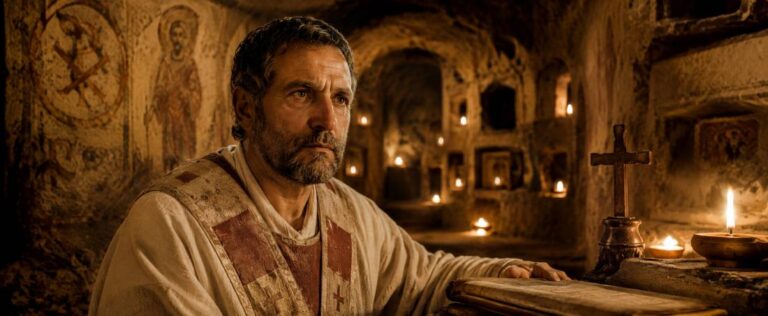
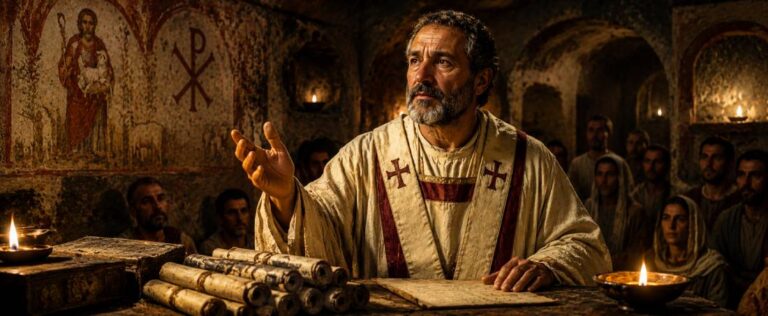
The Church during Evaristus’ youth was still small and frequently forced underground. Christians gathered in homes, catacombs, and hidden places for prayer and the celebration of the Eucharist. Religious instruction demanded courage because conversion to Christianity could bring social rejection, imprisonment, or death.
Tradition holds that Evaristus became known for his holiness, wisdom, and fidelity to apostolic teaching. These qualities eventually led to his election as Bishop of Rome.
Election to the Papacy
Saint Evaristus became Pope around 97 AD following the death of Pope Saint Clement I, one of the most respected leaders of the early Church. His election occurred during the reign of Emperor Nerva and later Emperor Trajan, a period marked by growing pressure upon Christians throughout the Roman Empire.
The Catholic Church at that time faced enormous challenges. Christianity was spreading rapidly beyond Judea into major Roman cities, but there remained no legal protection for believers. Local persecutions could erupt suddenly, and Christians were often accused of disloyalty to Rome because they refused to worship pagan gods or the emperor.
The Church also faced internal struggles. As Christian communities expanded, there was increasing need for structure, organization, and clear apostolic leadership. Bishops, priests, and deacons required stronger coordination to preserve unity in doctrine and sacramental life.
Saint Evaristus was chosen because of his reputation for steadfast faith and prudent leadership. Though historical records from the era are limited, ancient Christian tradition consistently honors him as a faithful shepherd who protected the Church during a vulnerable stage of its development.
Papacy and Leadership
Strengthening the Early Church
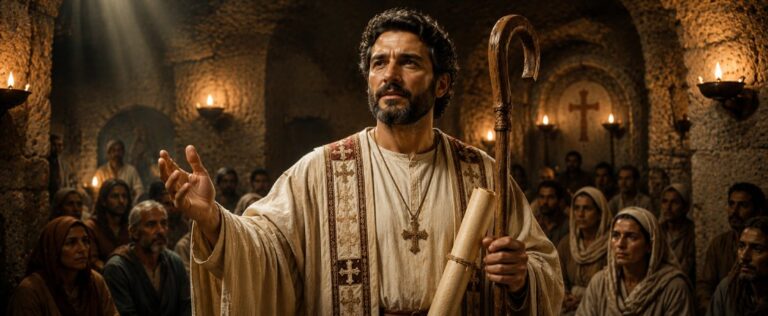
One of the most enduring traditions associated with Saint Evaristus is his role in organizing the Roman Church into distinct parish communities served by priests. Early accounts also credit him with assigning deacons to assist bishops and clergy in pastoral ministry.
While historians acknowledge that some details from this period are difficult to verify with certainty, these traditions reflect the growing structure of the early Catholic Church under his leadership.
As Christianity expanded throughout Rome, believers needed organized pastoral care. The Pope’s leadership helped ensure that Christians could receive the sacraments, hear apostolic teaching, and remain united with the Bishop of Rome despite external persecution.
Defender of Apostolic Unity
Saint Evaristus governed during the immediate post-apostolic era, a critical moment when the Church worked to preserve the teachings handed down directly from the Apostles. False teachings and divisions threatened Christian unity even in the earliest centuries.
By maintaining apostolic succession and strengthening ecclesial order, Pope Evaristus helped preserve the continuity of the Catholic faith. His papacy contributed to the stability that allowed Christianity to survive despite immense pressure from Roman authorities.
Leadership During Persecution
Although Emperor Trajan did not launch empire-wide persecution immediately, Christians remained vulnerable to arrest and execution. Refusal to participate in pagan religious rituals was viewed as a threat to Roman social order.
Saint Evaristus likely ministered in secrecy at times, encouraging believers to remain faithful despite fear and uncertainty. The courage of early Christian leaders such as Evaristus became a source of spiritual strength for persecuted Catholics throughout the empire.
Prayer Life and Spirituality
The spirituality of Saint Evaristus was deeply rooted in the apostolic faith of the earliest Christians. Though no personal writings from him survive, the witness of his life reveals a man profoundly devoted to Christ and committed to shepherding the Church with humility and courage.
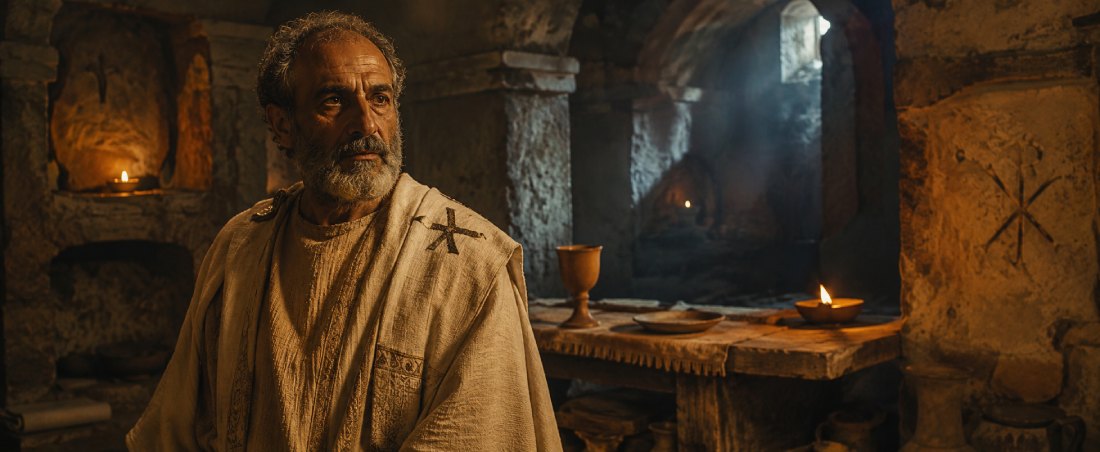
Early Christian spirituality centered on prayer, fasting, Scripture, charity, and the Eucharist. Pope Evaristus would have celebrated the sacred mysteries in hidden gatherings, often under the threat of persecution. The Eucharist was not merely ceremonial for these early believers—it was the heart of Christian life and the source of strength amid suffering.
Saint Evaristus likely followed rigorous practices of fasting and simplicity common among the first Christian leaders. Bishops during this era lived modestly and often shared closely in the hardships of their people.
His spiritual leadership reflected several key virtues:
Fidelity to Christ
Saint Evaristus remained faithful during an age when publicly professing Christianity could cost one’s life. His example teaches Catholics the importance of perseverance in difficult times.
Apostolic Humility
Unlike later historical figures surrounded by political influence and grandeur, Evaristus lived in the simplicity of the persecuted Church. His authority came from holiness and apostolic continuity rather than worldly power.
Eucharistic Devotion
The early Church revolved around the celebration of the Eucharist. Saint Evaristus helped preserve sacramental worship and unity within the Christian community during dangerous times.
Pastoral Care
He is remembered as a shepherd who strengthened Church organization not for administrative power, but to ensure the faithful received spiritual care and remained united in Christ.
For Catholics today, Saint Evaristus offers a profound example of quiet holiness rooted in prayer, sacrifice, and unwavering trust in God.
Challenges and Trials
Roman Persecution
Christians during the reign of Trajan faced ongoing hostility and uncertainty. Though persecution varied from region to region, believers could be arrested simply for refusing to renounce Christ.
As Pope, Saint Evaristus carried the burden of guiding frightened Christian communities while also risking his own life.
Fragile Church Structure
The Church was still developing its visible structures of governance and pastoral ministry. Maintaining unity among scattered Christian communities required wisdom and patience.
Saint Evaristus worked to strengthen ecclesiastical organization while preserving fidelity to apostolic teaching.
Martyrdom Tradition
Ancient Christian tradition honors Saint Evaristus as a martyr, though historians acknowledge that surviving documentation is limited. Like many early popes, his memory became associated with the witness of suffering endured by the persecuted Church.
Whether through direct martyrdom or faithful endurance amid persecution, Catholics have long venerated him as one who gave his life in service to Christ and the Church.
Death and Legacy
Saint Evaristus died around 105 AD in Rome. Tradition holds that he was buried near the tomb of Saint Peter in the Vatican area, where many early popes and martyrs were honored.
The Church later recognized him as a saint, and his feast day is celebrated on October 26. Though history preserves only limited details about his life, his significance lies in the stability and continuity he provided during a formative period of Catholic history.
His papacy helped strengthen the structure of the Roman Church at a time when Christianity remained vulnerable and fragile. The organizational foundations associated with his leadership contributed to the Church’s long-term survival and growth.
Saint Evaristus also represents the enduring line of apostolic succession stretching back to Saint Peter himself. His witness reminds Catholics that the Church endured not because of political strength, but because faithful shepherds preserved the Gospel through courage, sacrifice, and prayer.
Today, Catholics continue to honor Saint Evaristus as an early guardian of the faith whose quiet leadership helped sustain Christianity during its earliest struggles.
Lessons Catholics Can Learn Today
- Remain faithful to Christ even when society opposes Christian values
- Understand that holiness often grows through quiet perseverance
- Stay united with the Church and apostolic tradition
- Deepen devotion to the Eucharist and sacramental life
- Lead with humility rather than seeking worldly recognition
- Trust God during uncertainty and suffering
- Support strong parish and community life within the Church
- Preserve authentic Catholic teaching for future generations
Conclusion
Saint Evaristus may not be among the most widely known popes in Catholic history, yet his witness shines brightly through the centuries. In an age marked by persecution, uncertainty, and danger, he remained faithful to Christ and steadfast in serving the growing Church.
His papacy reminds Catholics that the strength of the Church has always depended upon courageous shepherds willing to sacrifice themselves for the Gospel. Through prayer, humility, apostolic fidelity, and perseverance, Saint Evaristus helped preserve the foundations of Christianity during one of its most vulnerable moments.
As modern Catholics face their own spiritual challenges, the life of Saint Evaristus encourages believers to remain rooted in prayer, loyal to the Church, and fearless in following Jesus Christ. His quiet holiness continues to inspire the faithful to live with courage, devotion, and unwavering trust in God.