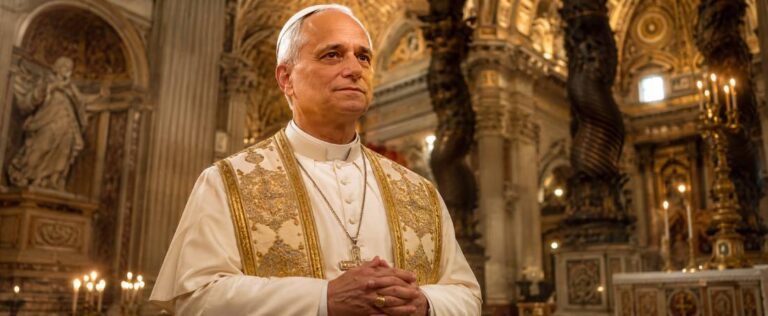
Pope Saint Pontian
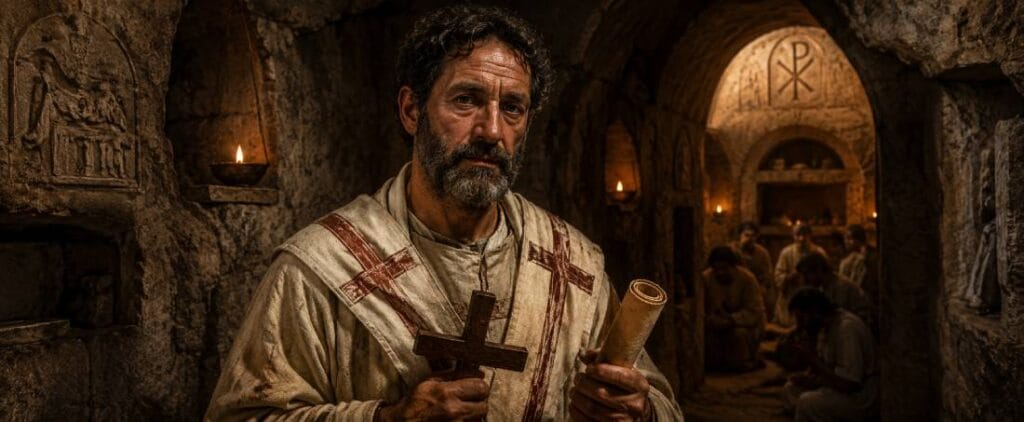
Saint Pontian remains one of the most courageous and humble leaders in the history of the Catholic Church. Serving during a dangerous era of Roman persecution, he guided Christians through suffering, division, and uncertainty with remarkable faith and pastoral care. Though his papacy lasted only five years, his willingness to sacrifice personal authority for the unity of the Church left a lasting mark on Catholic history.
Today, Catholics remember Pope Saint Pontian not only as a martyr, but also as a shepherd who placed the needs of the faithful above himself. His life offers a powerful witness to perseverance, humility, and fidelity to Christ in times of hardship.
Early Life and Background
Very little is historically certain about the early life of Saint Pontian. Like many early Church figures, detailed records from this period are limited due to persecution and instability within the Roman Empire. Historians believe he was born somewhere within the Roman Empire and likely came from a Roman background.
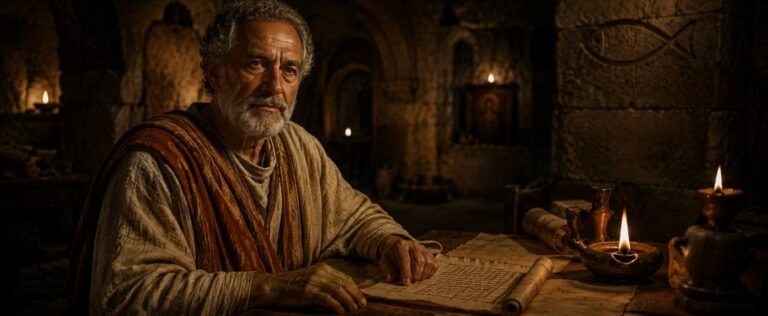
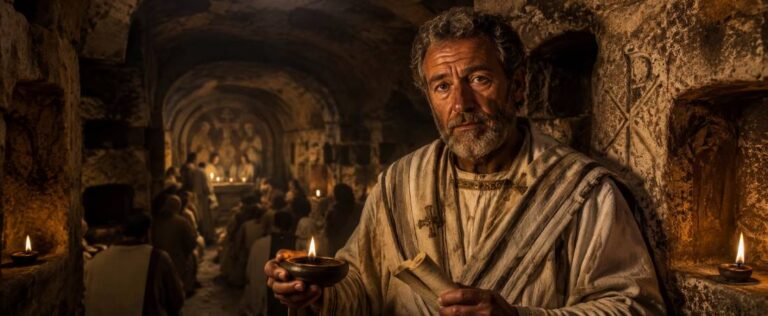
Pontian grew up during a time when Christianity was still illegal and frequently misunderstood by Roman authorities. Christians often worshipped secretly, celebrated the Eucharist in homes or catacombs, and faced the constant threat of imprisonment or death.
Despite these dangers, Pontian appears to have developed strong theological formation and deep spiritual maturity. He became respected among Roman clergy for his wisdom, leadership, and steadfast faith. His formation within the early Christian community prepared him for one of the most difficult periods the Church had yet experienced.
Election to the Papacy
Saint Pontian was elected Bishop of Rome on July 21, 230, succeeding Pope Urban I. The Church at the time faced both external persecution and internal division.
One of the major issues troubling the Church was the lingering conflict surrounding Hippolytus of Rome, an influential theologian who had broken communion with previous popes during disputes over Church discipline and doctrine. This schism had created tension and confusion among Christians in Rome.
Politically, the Roman Empire was entering a period of instability. When Emperor Maximinus Thrax came to power in 235, hostility toward Christians intensified. Christian leaders became particular targets because Roman authorities feared the growing influence of the Church.
Pontian’s election appears to have been motivated by his reputation for stability, wisdom, and pastoral leadership during a volatile time.
Papacy and Leadership
Guiding the Church During Persecution
The papacy of Saint Pontian unfolded during increasing hostility toward Christianity. Emperor Maximinus Thrax launched persecution against Christian leaders, seeing them as threats to imperial authority.
Pontian encouraged Catholics to remain faithful despite fear and suffering. His leadership emphasized unity, endurance, and trust in Christ during difficult circumstances.
Healing Division Within the Church
One of Pontian’s most important achievements involved reconciliation within the Church. The schism surrounding Hippolytus had weakened Christian unity for years. Historical tradition suggests that during exile, Pontian and Hippolytus became reconciled before their deaths.
This reconciliation became a powerful testimony to forgiveness and ecclesial unity. Remarkably, both Pontian and Hippolytus are honored as saints by the Church today.
The First Papal Resignation
Perhaps Saint Pontian’s most historically significant act was his resignation from the papacy on September 28, 235. After being arrested and exiled to Sardinia, he recognized that the Church needed active leadership in Rome.
Rather than cling to authority, Pontian voluntarily resigned so a new pope could be elected to shepherd the faithful. This act demonstrated extraordinary humility and pastoral wisdom. He became the first pope in recorded history to resign his office voluntarily.
His decision helped preserve stability within the Church during a time of crisis.
Prayer Life and Spirituality
The spirituality of Saint Pontian was shaped by sacrifice, courage, and complete trust in Christ. Though few personal writings survive, his actions reveal a deeply prayerful soul rooted in the life of the early Church.
Pontian likely participated daily in the Eucharistic liturgy, which stood at the center of Christian life in third-century Rome. Early Christians treasured the Mass as both worship and spiritual strength during persecution. The Eucharist sustained believers facing imprisonment and martyrdom.
His willingness to endure exile rather than abandon Christ reflects profound interior faith. Pontian understood that earthly authority was temporary, but eternal communion with God was everlasting.
His reconciliation with Hippolytus also demonstrates spiritual humility. Instead of allowing division to continue, Pontian embraced peace and unity within the Body of Christ.
Catholics today can see in Saint Pontian:
- unwavering trust in God during suffering
- humility in leadership
- sacrificial service to the Church
- courage under persecution
- commitment to unity within the Christian community
His witness reminds believers that holiness often grows strongest during times of hardship.
Challenges and Trials
Saint Pontian faced enormous challenges throughout his papacy.
Roman Persecution
The persecution under Emperor Maximinus Thrax specifically targeted Christian clergy and bishops. Pontian’s leadership position made him vulnerable to arrest and punishment.
He was eventually captured and sentenced to exile in Sardinia, known for its brutal mining camps and harsh conditions.
Exile and Suffering
Sardinia was considered a place of severe punishment within the Roman Empire. Prisoners forced into the mines often suffered from exhaustion, disease, malnutrition, and brutal treatment.
Pontian endured these hardships with steadfast faith. Historical tradition holds that the suffering eventually led to his death, making him a martyr for the Christian faith.
Internal Church Division
The Church also struggled with theological and disciplinary conflicts during this era. Pontian worked patiently to preserve unity and heal divisions among believers.
Rather than respond with bitterness or political maneuvering, he answered trials with humility, pastoral care, and spiritual endurance.
Death and Legacy
Saint Pontian died in October 235 while in exile on the island of Sardinia. The harsh conditions of forced labor likely contributed directly to his death.
After peace returned, Pope Fabian arranged for Pontian’s remains to be brought back to Rome. He was buried in the Catacomb of Callixtus, one of the most important Christian burial sites of the early Church.
The Church soon honored him as a martyr and saint because of his faithful witness during persecution.
Saint Pontian’s legacy remains deeply significant in Catholic history:
- he demonstrated humility through voluntary resignation
- he defended Church unity during schism
- he remained faithful during persecution
- he embraced suffering for Christ
His example influenced future generations of popes and Christian leaders who faced crises within the Church.
Lessons Catholics Can Learn Today
- Remain faithful to Christ during suffering and uncertainty
- Seek unity and reconciliation within the Church
- Practice humility in positions of leadership
- Trust God even when facing persecution or hardship
- Value the Eucharist as spiritual strength
- Place the needs of the Church above personal ambition
- Persevere courageously in difficult times
Conclusion
Saint Pontian stands as a powerful witness to courage, humility, and sacrificial leadership. In one of the darkest periods of early Christian history, he chose faith over fear and service over power. His resignation for the good of the Church revealed rare humility, while his martyrdom testified to unwavering devotion to Christ.
For Catholics today, Saint Pontian offers an enduring reminder that true leadership is rooted not in authority alone, but in holiness, charity, and complete trust in God. His life encourages believers to remain faithful amid trials, pursue unity within the Church, and live courageously for the Gospel.
Related Popes